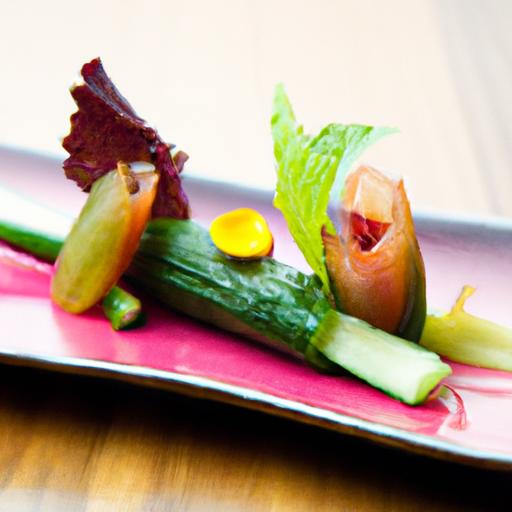

In the vibrant world of culinary traditions, certain flavor combinations stand out for their unique ability to surprise adn delight the palate.Among these, pickled plum and shiso rolls offer a fascinating journey into the art of balancing tangy, fragrant, and savory notes. Rooted in Japanese cuisine yet embraced by adventurous food lovers worldwide, these rolls transform simple ingredients into a symphony of taste and texture. This article invites you to explore the origins, characteristics, and appeal of pickled plum and shiso rolls-celebrating a timeless delicacy that harmonizes tartness with herbal freshness in every bite.
Pickled plum and shiso rolls are a beautiful marriage of tangy, aromatic, and refreshing flavors that instantly awaken the palate with every bite.This dish is more than just a snack-it’s a culinary journey inspired by traditional Japanese umami-rich ingredients that balance sweet, sour, and herbaceous notes effortlessly. Drawing from my own experience crafting these rolls in my kitchen, the captivating contrast between the vibrant pickled plum (umeboshi) and the minty freshness of shiso leaves elevates simple ingredients into an unforgettable tangy delight. Whether you’re a seasoned food lover or new to Japanese flavors, mastering these rolls promises an authentic experience full of texture, flavor, and visual appeal.
prep and Cook Time
Planning: 20 minutes
Cook Time: 10 minutes (if warming rice)
Total Time: 30 minutes
Yield
makes approximately 12 rolls (serving 4 as appetizer or light snack)
Difficulty Level
Medium – requires careful assembly and selection of fresh ingredients but no advanced culinary techniques
Ingredients
- 2 cups short-grain sushi rice, rinsed and cooked
- 3 tbsp rice vinegar
- 2 tbsp sugar
- 1 tsp salt
- 6-8 fresh shiso leaves, washed and dried
- 6-8 pickled plums (umeboshi), pits removed and finely chopped
- 1 sheet nori (seaweed), cut into 12 strips, about 1.5 inches wide
- 1 tbsp toasted sesame seeds (optional for garnish and texture)
- Optional: thin cucumber slices for added crunch
- Soy sauce or tamari, for dipping
- Wasabi paste, optional
instructions
- Prepare the sushi rice: Once your short-grain rice is cooked and still warm, transfer it to a large wooden or non-metal bowl. Gently fold in the rice vinegar, sugar, and salt mixture until fully absorbed, fanning the rice to cool and give it a lovely glossy texture.
- Prepare the filling: Remove pits from the pickled plums and finely chop them. Set aside the shiso leaves after washing and thoroughly drying-moisture will hinder rolling and affect texture.
- Lay out your rolling area: Place a bamboo sushi mat on a clean surface and cover it with plastic wrap to prevent sticking.
- Assemble each roll: Lay one strip of nori shiny side down. Spread about 2-3 tablespoons of sushi rice evenly over the nori, leaving one short edge free to seal.
- Add fillings: Position a rinsed shiso leaf on top of the rice. Spoon a small line of chopped pickled plum along the center of the leaf. Add cucumber slices here if using for extra crunch.
- Roll carefully: Using the bamboo mat, roll the nori tightly from the filled edge towards the open edge, applying gentle pressure to create a compact roll. Seal the edge with a few grains of rice.
- Slice and garnish: With a sharp, dampened knife, slice each roll into bite-sized pieces. Sprinkle with toasted sesame seeds for nutty aroma and a subtle crunch.
- Serve: Plate the rolls on a bamboo sushi board or minimalist dish and accompany with a small dish of soy sauce or tamari, and a dab of wasabi if desired.
Tips for Success
- Rice texture is key: Perfectly cooked rice should be slightly sticky but not mushy-rinse well before cooking to remove excess starch.
- Shiso freshness matters: Look for vibrant, deeply green leaves with minimal bruising for the best herbal punch and visual contrast.
- Balance your filling: Umeboshi can be quite intense-use sparingly to avoid overpowering the mild rice and fresh shiso flavors.
- Rolling tips: Keep your hands slightly damp while handling rice to prevent sticking and ensure smooth assembly.
- make-ahead: Sushi rice is best used fresh, but you can prepare pickled plums and slice shiso leaves ahead to save prep time.
Serving Suggestions and Pairings
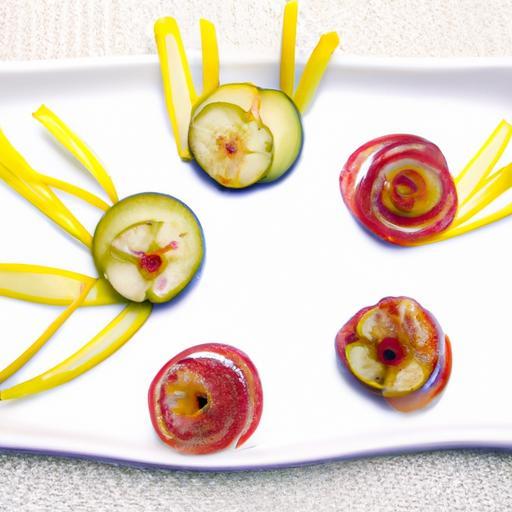
Present these pickled plum and shiso rolls with a minimalist aesthetic-think crisp white plates or wooden platters accented with fresh shiso leaves and vibrant pickled plum slices. Accompany with a chilled glass of dry sake or green tea to complement the tangy,herbal flavors. For an enhanced sensory journey, add a small bowl of miso soup and a light cucumber salad dressed with rice vinegar. These bright, refreshing tastes balance the rich umami and lend authenticity to your dining experience.
| Nutritional Info (per serving) | Calories | Protein | Carbs | Fat |
|---|---|---|---|---|
| Pickled Plum and Shiso Rolls | 150 | 3g | 32g | 1g |

For an in-depth guide to mastering sushi rice, consider exploring our detailed Essential Guide to Sushi Rice Preparation. To learn more about the traditional origins and health benefits of umeboshi,visit Japan Guide’s Umeboshi Overview.
Q&A
Q&A: Tangy Delights – Exploring Pickled Plum and Shiso Rolls
Q1: What exactly are pickled plum and shiso rolls?
A1: Pickled plum and shiso rolls are a type of Japanese-inspired sushi roll that feature tangy umeboshi (pickled plum) combined with fresh shiso leaves. The result is a harmonious blend of tart, salty, and herbal flavors wrapped in vinegared rice and seaweed, offering a refreshing twist on traditional sushi.
Q2: Why use pickled plum in sushi rolls?
A2: Pickled plum,or umeboshi,is renowned for its distinct sourness and saltiness,which cuts through richness and adds a bright zing. in sushi rolls, it balances fatty or mild ingredients, enhancing complexity while delivering a unique depth that sets these rolls apart from more conventional options.
Q3: What role dose shiso play in these rolls?
A3: Shiso,often likened to a fragrant basil or mint,brings a bright,slightly peppery,and citrusy note. It complements the sourness of the pickled plum elegantly, adding an aromatic freshness that elevates the overall taste profile and provides a vibrant herbal contrast.
Q4: are there traditional roots to this combination?
A4: Yes, umeboshi and shiso have a long history in Japanese cuisine, frequently enough paired together in rice balls (onigiri) and condiments. Incorporating these into sushi rolls is a modern yet natural evolution, marrying classic flavors with contemporary presentation and eating experiences.
Q5: How can someone enjoy pickled plum and shiso rolls?
A5: These rolls are best enjoyed fresh, accompanied by light soy sauce or a splash of ponzu to emphasize their tangy notes. They also pair wonderfully with a cup of green tea or chilled sake, letting the palate savor the intricate layers of tartness, herbal brightness, and subtle umami.
Q6: Are pickled plum and shiso rolls suitable for all diets?
A6: Generally, yes. They are a great option for vegetarians and those seeking gluten-free sushi choices if gluten-free soy sauce is used. Since umeboshi contains salt, people monitoring sodium intake should enjoy these rolls in moderation.
Q7: Can pickled plum and shiso rolls be made at home?
A7: Absolutely! With simple ingredients like umeboshi paste, fresh shiso leaves, sushi rice, and nori sheets, home cooks can recreate these rolls. Experimenting with additional fillings such as cucumber or avocado can add texture and personalize the flavor profile.
Q8: What makes pickled plum and shiso rolls stand out in the sushi world?
A8: Their unique combination of tart, salty, and herbal flavors strikes a memorable balance rarely found in mainstream sushi. They offer an exciting option for those craving something both traditional and adventurous, capturing the essence of Japanese flavor harmony in every bite.
Closing Remarks
as we conclude our flavorful journey through the vibrant world of pickled plum and shiso rolls, it becomes clear that these humble ingredients carry a complex harmony of taste and tradition.whether enjoyed as a refreshing snack or a thoughtful accompaniment to a meal, their tangy zest and herbal notes invite us to savor the subtle artistry of Japanese culinary culture. Beyond their unique flavor profiles, these rolls remind us that sometimes, the most delightful experiences come from embracing simplicity with a touch of creativity-turning everyday elements into something truly memorable.