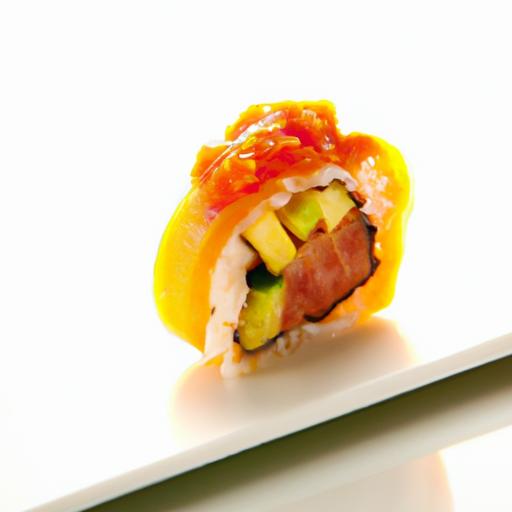

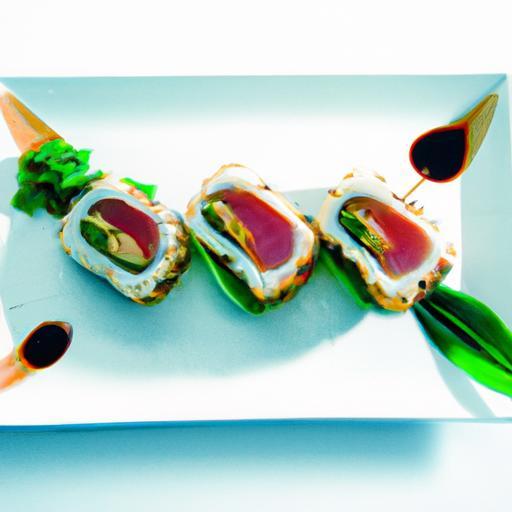
In the vast and vibrant world of sushi, few rolls hold the timeless appeal of the tekka maki. This classic tuna roll, simple yet satisfying, has captured the hearts and palates of sushi lovers around the globe. Beneath its unassuming exterior lies a harmony of flavors and textures that speak to the elegance of Japanese culinary tradition. In this article, we’ll unroll the story of tekka maki-exploring its origins, ingredients, and the subtle art that transforms humble tuna and rice into a beloved delicacy. Whether you’re a seasoned sushi enthusiast or a curious newcomer, join us as we delve into the enduring charm of the classic tuna roll delight.
Tekkamaki Unrolled: This iconic classic tuna roll is a beloved staple of Japanese cuisine that has journeyed from the bustling sushi bars of Tokyo to home kitchens worldwide. Its clean, minimalist elegance highlights the sublime quality of fresh tuna paired with perfectly seasoned vinegared rice, wrapped in crisp nori seaweed. this recipe celebrates the origins and cultural depth of tekkamaki, guiding you through the essential ingredients and techniques while unveiling the harmonious flavors and textures that define this quintessential sushi roll.
Prep and Cook Time
preparation: 20 minutes | Cook Time: 10 minutes | Total time: 30 minutes
Yield
Serves 4 (makes 16 pieces)
Difficulty Level
Medium – Ideal for sushi enthusiasts ready to practice their rolling and knife skills.
Ingredients
- 2 cups sushi rice (short-grain Japanese rice), rinsed and drained
- 2 ½ cups water for cooking rice
- ¼ cup rice vinegar
- 2 tbsp sugar
- 1 tsp salt
- 200g sashimi-grade tuna loin, cut into ¼ inch thick strips
- 4 sheets nori (roasted seaweed), approximately 7 x 8 inches
- Soy sauce, for serving
- Wasabi paste, optional
- Pickled ginger, for palate cleansing
- Bamboo sushi rolling mat (covered with plastic wrap for easy handling)
Instructions
- prepare the sushi rice: Combine the rinsed sushi rice and 2 ½ cups water in a rice cooker or pot. Cook until tender, about 15 minutes. While still hot, transfer to a wooden or wide container.
- Season the rice: In a small saucepan, gently heat the rice vinegar, sugar, and salt until dissolved. Instantly fold this gently into the hot rice using a wooden spatula, fanning the rice to cool quickly. Allow to rest at room temperature.
- Prepare tuna strips: Using a sharp knife,cut sashimi-grade tuna loin into uniform strips about 3 inches long and ¼ inch wide. This ensures an even bite in every roll.
- Harvest your workspace: Place the bamboo mat on your flat surface and cover with plastic wrap to prevent sticking.
- Assemble tekkamaki: Place one nori sheet shiny side down on the mat. dampen your hands to prevent sticking and spread a thin, even layer of sushi rice over the nori, leaving a 1-inch margin at the top edge.
- Add the tuna: Lay 3-4 strips horizontally across the rice closest to the bottom edge,perpendicular to the nori’s grain.
- Roll it up: Lift the edge of the mat closest to you and carefully roll over the tuna, gently pressing to keep the roll tight but not crushed. Continue rolling away, using the mat to shape the roll firmly.
- Seal: Moisten the bare nori strip at the top with a little water and press to seal the roll fully.
- Slice: Using a very sharp, wet knife, cut the roll into 8 even pieces. Wipe the blade between cuts to ensure clean, neat slices.
- Plate and serve: Arrange the tekkamaki on a long sushi platter with accompaniments like soy sauce, wasabi, and pickled ginger.
Tips for success
- Choosing tuna: For the best flavor and safety, always select sashimi-grade tuna from reputable suppliers. Look for deep red,firm flesh and a fresh ocean scent.
- Rice texture: Achieving that perfect sticky yet fluffy sushi rice is key-rinsing thoroughly removes excess starch, while fanning helps create a shiny, glossy finish.
- Rolling technique: Don’t rush the roll. Consistent pressure and smooth, even rolling help maintain the shape and keep the filling from slipping out.
- Knife mastery: Use a sharp, dampened blade and slice in a single clean motion to preserve roll integrity and avoid squishing the rice.
- Make-ahead: Prepare sushi rice hours ahead; cover with a damp cloth to keep moist. assemble rolls close to serving time for freshness.
Serving Suggestions
Present tekkamaki elegantly on a bamboo sushi board or minimalist ceramic plate. Garnish with thinly sliced pickled ginger and a small dollop of vivid green wasabi. Lightly pour soy sauce into a dipping dish beside each serving. For an extra touch, sprinkle toasted sesame seeds or thin scallion strips over the top to add subtle visual contrast and additional texture.

| Nutrient | Per Serving (4 pieces) |
|---|---|
| Calories | 210 kcal |
| Protein | 18 g |
| Carbohydrates | 28 g |
| Fat | 2 g |
Explore more authentic sushi recipes in our Japanese Sushi Basics collection to deepen your culinary journey with classic dishes.For a deeper understanding of the cultural heritage and culinary artistry behind sushi, visit the official japan national Tourism Organization guide.
Q&A
Q&A: Tekkamaki Unrolled – Discovering the Classic Tuna roll Delight
Q1: What exactly is Tekkamaki?
A1: Tekkamaki is a traditional Japanese sushi roll featuring vinegared rice and fresh raw tuna wrapped in crisp nori seaweed. It’s a minimalist yet flavorful choice that highlights the pure taste of quality tuna.
Q2: Where does the name “Tekkamaki” come from?
A2: The name “Tekkamaki” translates roughly to “red-hot iron roll.” Some say it’s inspired by the luminous red color of the tuna, resembling glowing iron, while others suggest it references a past practice of ironworking regions where this simple roll gained popularity.
Q3: How is Tekkamaki traditionally prepared?
A3: Traditionally,sushi chefs use freshly caught tuna sliced into long strips,expertly combined with vinegared sushi rice and wrapped tightly in a sheet of nori. The roll is then sliced into bite-sized pieces, perfect for savoring the balance of flavors and textures.
Q4: What makes Tekkamaki stand out among other sushi rolls?
A4: Unlike rolls packed with multiple ingredients, Tekkamaki’s beauty lies in its simplicity. The focus is entirely on the quality of the tuna and the harmony with the rice and seaweed-an elegant expression of sushi craftsmanship.
Q5: Can Tekkamaki be enjoyed by sushi beginners?
A5: absolutely.Tekkamaki’s straightforward flavors make it an excellent starting point for those new to sushi. It offers a pure taste of raw fish without overwhelming accompaniments, easing newcomers into the sushi experience.
Q6: Are there variations of Tekkamaki worth exploring?
A6: While the classic Tekkamaki remains beloved, some chefs experiment by incorporating different tuna cuts, adding subtle seasonings, or using brown rice for a healthier twist. These variations invite fresh perspectives while honoring the original.
Q7: How should Tekkamaki be served for the best experience?
A7: Serve Tekkamaki chilled, accompanied by soy sauce, a dab of wasabi, and pickled ginger. These traditional condiments enhance the tuna’s flavors without masking its delicate profile.
Q8: What cultural importance does Tekkamaki hold in Japanese cuisine?
A8: tekkamaki represents the elegance of restraint in Japanese cooking-celebrating quality ingredients and balance over complexity. It’s a staple that connects modern sushi lovers to authentic culinary roots.
Q9: Where can one find the best Tekkamaki?
A9: The finest Tekkamaki is typically found at sushi bars specializing in fresh, high-grade fish and skilled knife work. Coastal regions of Japan, especially Tokyo’s Tsukiji and Toyosu markets, are renowned sources of exceptional tuna and expert sushi craftsmanship.
Q10: Why should sushi enthusiasts rediscover Tekkamaki today?
A10: In an age of elaborate fusion rolls, Tekkamaki invites a return to simplicity and purity. It’s a timeless reminder that sometimes the greatest pleasures come from the most straightforward creations-a classic delight worth savoring anew.
The Way Forward
As the final rice grain settles and the delicate layers of tekka maki reveal their tranquil simplicity, we find ourselves appreciating more than just a humble tuna roll. Beyond its vibrant red hue and perfectly seasoned vinegared rice lies a culinary tradition that bridges culture, craftsmanship, and comfort. Whether you’re a sushi novice or a seasoned aficionado, the classic tekka maki invites you to savor a moment of unpretentious joy-one bite at a time. so next time you unwrap this unrolled delight, remember: it’s not just sushi, it’s a timeless story wrapped in seaweed.