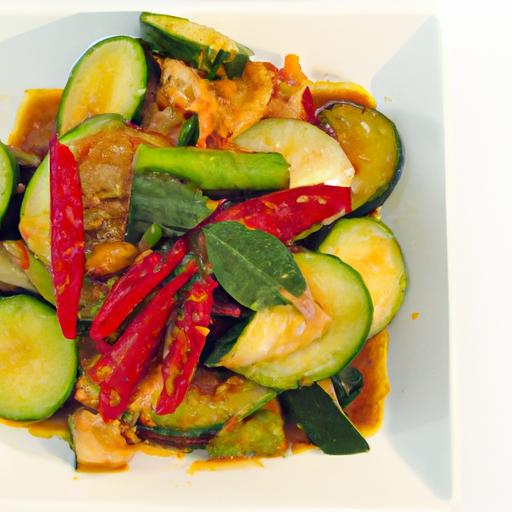

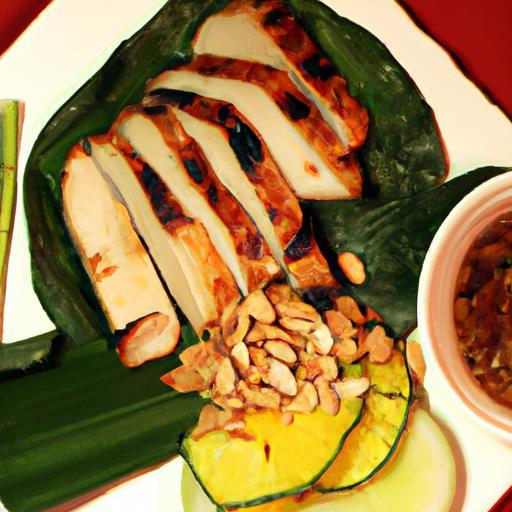
Stepping into the world of Thai cuisine is like embarking on a vibrant journey where bold flavors and aromatic spices converge to create an unforgettable experience. “Exploring Hot Thai Kitchen: Flavors That Ignite the Senses” invites readers to delve beyond the familiar and discover the intricate balance of heat, sweetness, sourness, and umami that defines this beloved culinary tradition. From fiery chilies to fragrant herbs, Thai cooking masterfully combines elements that not only awaken the palate but also tell a story of culture and heritage. This exploration offers a window into the techniques and ingredients that make Thai food both exciting and deeply satisfying.
The Art of Balancing Heat and Harmony in Thai Dishes
Exploring Hot Thai Kitchen introduces you to the exquisite dance of bold heat and delicate harmony that defines authentic Thai cuisine. Mastering this balance means blending vibrant spices, fresh herbs, and umami-rich sauces into dishes that awaken the palate and satisfy the soul. Whether you’re crafting a fiery Thai curry or a sweet-and-spicy salad, the key lies in layering flavors with precision and respect for tradition.
Essential Ingredients That Define Authentic Thai Flavors
At the heart of exploring hot Thai kitchen,a handful of essential ingredients shape the unmistakable taste profile that Thai food lovers crave:
- Fresh Thai bird’s eye chilis – small but fiery,these chilis create vibrant heat.
- Kaffir lime leaves – adding fragrant citrus notes and shining depth.
- Galangal – a sharp, peppery rhizome distinct from ginger.
- Fish sauce – the cornerstone of savory umami.
- Thai basil – sweet,slightly spicy herb that amplifies freshness.
- Palm sugar – natural sweetness that harmonizes spicy and sour elements.
- Tamarind paste – providing tangy acidity with complexity.
Signature Recipes to Savor from Hot Thai Kitchen
One standout dish personifying the balance and vibrancy of exploring hot Thai kitchen is Gaeng Daeng, or Thai Red Curry. Rich coconut milk melds with red curry paste, crowned by tender chicken and a symphony of fresh herbs. The interplay between the creamy heat of the curry and subtle sweet notes creates an addictive sensory experience.
Prep and Cook Time
- Prep Time: 20 minutes
- Cook Time: 30 minutes
Yield
Serves 4 generous portions
Difficulty Level
Medium – Ideal for cooks agreeable with balancing complex spices and flavors
Ingredients
- 2 tablespoons red curry paste (preferably homemade or high-quality store-bought)
- 1 can (14 oz) coconut milk, well shaken
- 1 pound boneless chicken thighs, sliced thinly
- 3 kaffir lime leaves, torn into pieces
- 1 tablespoon fish sauce
- 1 teaspoon palm sugar
- 5 Thai bird’s eye chilis, sliced (adjust to heat preference)
- ½ cup thai basil leaves, fresh
- 1 small red bell pepper, thinly sliced
- 1 tablespoon vegetable oil
- Steamed jasmine rice for serving
Instructions
- Heat the vegetable oil in a deep skillet or wok over medium heat. Add the red curry paste and sauté until fragrant,about 2 minutes,stirring frequently to prevent burning.
- Slowly stir in the coconut milk, allowing it to incorporate fully with the curry paste. Bring to a gentle simmer.
- Add the sliced chicken and torn kaffir lime leaves. Cook for 8-10 minutes until the chicken is tender and cooked through.
- Stir in fish sauce and palm sugar, balancing saltiness and sweetness. Adjust seasoning as needed.
- Add the sliced red bell pepper and bird’s eye chilis for a vibrant crunch and spicy kick.Simmer an additional 3 minutes.
- Remove from heat and fold in fresh Thai basil leaves,allowing residual heat to release their aroma.
- Serve hot with steamed jasmine rice, garnished with extra basil or thin chili slices for a beautiful presentation.
Tips for Success
- For a richer curry, stir in a tablespoon of coconut cream along with the coconut milk.
- If you prefer milder heat, reduce bird’s eye chilis and substitute with sweet bell peppers.
- Use fresh kaffir lime leaves if possible; dried versions are okay but less aromatic.
- Prepare the curry paste ahead to save time-homemade paste intensifies flavor dramatically.
- This curry also tastes fantastic with tofu or shrimp as protein alternatives.
Serving Suggestions
This dish shines alongside fresh cucumber salad to cool the palate, or lightened with a squeeze of fresh lime over the top to brighten flavors. Consider pairing with a fragrant lemongrass iced tea or an aromatic white wine like Riesling to complement the spice. Garnish with extra Thai basil or thin slices of fresh red chili for a colorful, enticing appearance.

| Nutrient | Per Serving |
|---|---|
| Calories | 410 kcal |
| Protein | 28 g |
| carbohydrates | 12 g |
| fat | 28 g |
Pairing Thai Spices with Complementary Beverages
When exploring hot Thai kitchen, the magical fusion extends beyond food to thoughtfully paired drinks. The intense heat of bird’s eye chilis and the aromatic complexity of galangal and lemongrass find balance in crisp, slightly sweet beverages. Consider cooled Jasmine tea infused with a touch of honey and lime for conventional refreshment or cocktails featuring Thai basil and lemongrass for modern flair. For wine lovers,off-dry Rieslings or sparkling rosés highlight the sweet-spicy interplay perfectly. Non-alcoholic drinkers will delight in tangy tamarind-based beverages that echo the essence of Thai cuisine’s harmonious contrast.
For further inspiration on crafting the perfect thai meal experience,visit our detailed guide on Thai cuisine flavor profiles. To delve deeper into the health benefits of common Thai spices, explore this comprehensive Medical News Today article.
Q&A
Q&A: Exploring Hot Thai Kitchen: Flavors That Ignite the Senses
Q1: What makes Thai cuisine uniquely captivating to the senses?
A1: Thai cuisine is a vibrant tapestry of bold flavors-spicy,sweet,sour,salty,and umami-all harmoniously balanced in every dish. It delights not only the palate but also the eyes and nose, thanks to its colorful presentation and fragrant herbs and spices.This sensory fusion creates an immersive eating experience that is both invigorating and comforting.
Q2: How does heat play a role in Thai cooking?
A2: heat in Thai cooking comes primarily from fresh and dried chilies,which are used thoughtfully to enhance rather than overpower the dish. The spiciness awakens the taste buds, evoking a fiery warmth that stimulates appetite and intensifies other flavors. It’s the controlled heat that gives Thai food its signature kick, making each bite exciting and memorable.
Q3: Which ingredients are essential to achieving the authentic Thai flavor profile?
A3: Foundational ingredients include lemongrass,galangal,kaffir lime leaves,fish sauce,tamarind,and palm sugar. Each contributes distinct notes-citrusy brightness, earthy depth, salty tang, sour sharpness, and gentle sweetness-that combine to create complex, layered flavors.The freshness and quality of these ingredients are vital for authenticity.
Q4: Can you describe the sensory experience of eating a classic Thai dish, like Tom Yum soup?
A4: Tom Yum is an explosion of sensations. The aroma of lemongrass and kaffir lime leaves fills the air as you approach the bowl. The broth’s tangy sourness, mingled with the gentle heat from chili and the umami richness of shrimp or chicken, ignites your taste buds. The contrast of flavors dances across the tongue-refreshing, warming, and deeply satisfying.Q5: How does the cultural context enhance our understanding of Thai flavors?
A5: Thai cuisine reflects the country’s geography, history, and social customs, where food is a communal experience meant to be shared. Understanding this cultural backdrop reveals why balance and contrast are so crucial-in flavor, texture, and temperature-mirroring the Thai philosophy of harmony. This insight deepens recognition and enriches the sensory journey of the cuisine.
Q6: What tips would you give to someone wanting to explore hot Thai flavors at home?
A6: Start by sourcing authentic ingredients from specialty markets or reputable online sources. Respect the balance-adjust heat gradually and combine the five basic tastes thoughtfully. Experiment with fresh herbs and spices, and don’t rush the cooking process to allow flavors to meld. Most importantly,approach cooking with curiosity and openness to new sensory experiences.
Q7: Why does hot Thai kitchen continue to captivate food lovers worldwide?
A7: Its enduring appeal lies in its dynamic interplay of flavors that evoke passion and vitality. Thai food’s ability to surprise and satisfy diverse palates-whether gentle or fiery-creates a universal connection through taste. It’s more than a meal; it’s an adventure that awakens the senses and invites joy in every bite.
In Retrospect
As we close the lid on this flavorful journey through the Hot Thai Kitchen, it’s clear that these vibrant dishes do more than simply satisfy hunger-they ignite the senses and invite us to experience a culture rich in tradition and bold taste.Whether it’s the fiery kick of a chili-infused curry or the delicate balance of sweet, sour, and salty in every bite, Thai cuisine is a testament to the power of well-crafted flavors. For those eager to explore further, Hot Thai Kitchen offers not just recipes but a gateway to discovering the heart and soul behind every dish.So, next time you crave a meal that sparks both curiosity and appetite, let these flavors lead the way.