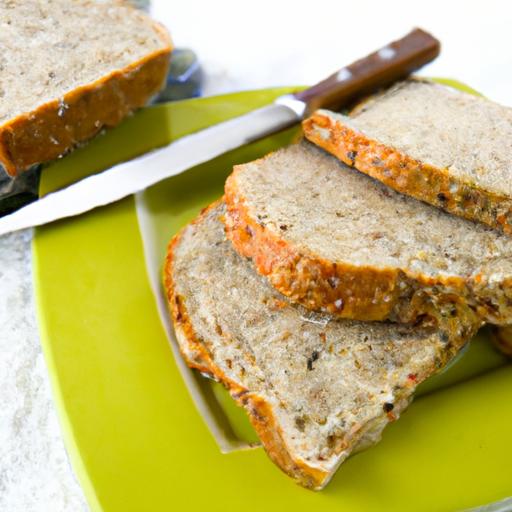

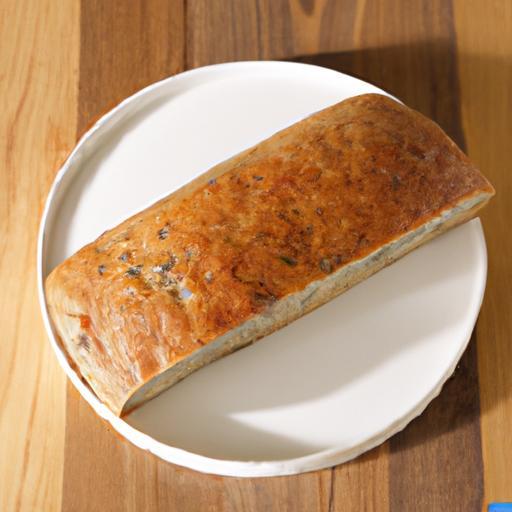
In the world of bread baking, few creations offer as much texture, flavor, and nutritional goodness as multi-seed sandwich bread. This humble loaf, studded with an assortment of seeds-from crunchy sunflower and nutty flax to aromatic sesame and poppy-transforms a simple sandwich into an experiance that delights the senses. More than just a vehicle for fillings, multi-seed sandwich bread embodies the artistry of combining wholesome ingredients with time-honored techniques, resulting in a nutty, hearty bread that nourishes both body and soul. Join us as we explore the craft behind this versatile staple and discover how the fusion of seeds elevates everyday bread to a true culinary delight.
Multi-seed bread brings a symphony of textures and nutty flavors that elevate every sandwich into a gourmet experience. this loaf, rich with carefully selected seeds, offers a satisfying crunch balanced by a delightfully airy crumb. Originating from traditional European bread-making, where seeds like sunflower, flax, and sesame are prized for their taste and health benefits, this recipe transforms your kitchen into a bakery filled with the intoxicating aroma of freshly baked goodness.
Prep and Cook Time
- Readiness: 20 minutes
- Proofing: 1 hour 30 minutes (divided)
- Baking: 35-40 minutes
- Total Time: 2 hours 30 minutes
Yield
One 9×5-inch loaf, approximately 12 hearty slices.
Difficulty Level
Medium - approachable for bakers comfortable with kneading and bread proofing.
Ingredients
- 1 ¾ cups warm water (110°F/43°C)
- 2 ¼ tsp active dry yeast (one packet)
- 3 cups bread flour, sifted
- ½ cup whole wheat flour
- 2 tbsp honey or maple syrup
- 2 tsp fine sea salt
- 3 tbsp olive oil, plus extra for greasing
- ¼ cup sunflower seeds, lightly toasted
- 3 tbsp flaxseeds
- 3 tbsp sesame seeds, lightly toasted
- 2 tbsp pumpkin seeds
- 2 tbsp chia seeds
Instructions
- Activate the yeast: In a large mixing bowl, combine warm water and honey. Sprinkle yeast over top and stir gently. Let sit 5-10 minutes untill foamy and bubbling, indicating the yeast is alive.
- Mix dry ingredients: In a separate bowl,whisk together bread flour,whole wheat flour,and salt.
- Combine dough: Gradually add dry ingredients to the yeast mixture along with olive oil. Stir using a wooden spoon until a rough dough forms.
- Knead the dough: Transfer dough to a lightly floured surface. Knead for 10 minutes, incorporating all multi-seeds except for a tablespoon reserved for topping. The dough should become smooth, elastic, and slightly tacky but not sticky.
- Frist proof: Lightly grease a bowl with olive oil. Place the dough inside and cover with a clean kitchen towel or plastic wrap. Let rise in a warm spot for 1 hour or until doubled in size.
- Shape and second proof: Gently deflate the risen dough and shape it into a tight loaf. Place it in a greased 9×5-inch loaf pan. Sprinkle the reserved seeds evenly on top, pressing lightly to adhere. Cover and proof for another 30-40 minutes until puffed.
- Preheat the oven: Simultaneously occurring, heat your oven to 375°F (190°C). For an ideal crust, place an oven-safe pan with water on the bottom rack to create steam.
- Bake: Bake the loaf for 35-40 minutes, rotating halfway through. The crust should be deep golden brown, and the loaf will sound hollow when tapped.
- Cool wholly: Remove the bread from the pan and transfer to a cooling rack. Let cool at least 30 minutes before slicing to retain moisture inside.
Tips for Success
- Seed selection: Toasting seeds like sunflower and sesame enhances their nuttiness-do so gently over medium heat for 3-5 minutes, stirring frequently to avoid burning.
- Moist crumb: Incorporating whole wheat flour adds flavor but can dry the bread.Balancing it with bread flour and olive oil ensures soft, moist texture.
- Kneading mastery: If your dough is too sticky, add flour one tablespoon at a time. Remember, slightly tacky dough leads to lighter bread.
- steam for crust: adding steam in the oven at the start encourages a crisp, glossy crust without sacrificing softness inside.
- Make ahead: Baked bread freezes beautifully. Slice before freezing, then toast slices straight from the freezer for a fresh-baked feel anytime.
Serving Suggestions
Enjoy thick slices of this multi-seed bread toasted with creamy avocado and a sprinkle of flaky sea salt for breakfast. For lunch, build a rustic sandwich with roasted turkey, sharp cheddar, arugula, and honey mustard. Garnish with fresh herbs or a light brush of olive oil and cracked black pepper for an artisanal touch.the nutty crunch and open crumb also lend themselves beautifully to dipping in warm olive oil infused with garlic and rosemary.

Nutrition Facts per Slice
| Nutrient | Amount |
|---|---|
| Calories | 130 kcal |
| Protein | 5 g |
| Carbohydrates | 20 g |
| Fat | 4 g |
For more wholesome bread recipes, check out our Artisan whole Wheat Bread guide. Learn about the science of yeast fermentation and dough hydration from the King Arthur Baking School.
Q&A
Q&A: The Art of multi-Seed Sandwich Bread: A Nutty Delight
Q: What makes multi-seed sandwich bread different from regular sandwich bread?
A: Multi-seed sandwich bread stands out due to its rich mixture of seeds-such as sunflower, flax, sesame, and pumpkin seeds-that not only add a delightful crunch but also boost the bread’s nutritional profile. Unlike plain sandwich bread, it offers a complex texture and a nutty flavor that enhances every bite.
Q: Why should home bakers try making multi-seed sandwich bread?
A: Baking multi-seed sandwich bread at home allows for customization of seed blends to suit personal taste and dietary needs. It’s a rewarding process that combines simple ingredients into something both wholesome and flavorful, perfect for those who enjoy experimenting with textures and savoring subtle nutty notes.
Q: How do the seeds affect the bread’s texture and flavor?
A: Seeds introduce a pleasant crunch and an earthy, nutty aroma, enriching the blandness often found in white bread. They also help retain moisture, resulting in a tender crumb. The combination of seeds creates a layered texture-soft yet with bursts of crispness-that adds complexity to every slice.
Q: Are there specific seeds that work best in this bread?
A: While there’s no one “right” mix, popular choices include sunflower, flax, sesame, chia, and pumpkin seeds. Each brings a unique flavor and texture: flax offers a mild nuttiness and acts as a binder; sesame lends a toasty aroma; and pumpkin seeds add a hearty chewiness. Experimenting with these can help find your perfect nutty blend.
Q: is multi-seed sandwich bread healthier than traditional white bread?
A: Generally, yes. The seeds contribute healthy fats, fiber, vitamins, and minerals, enhancing the bread’s nutritional value. This makes multi-seed bread a more satiating and nutrient-dense option compared to its plain counterparts, benefiting digestion and heart health.
Q: Can multi-seed sandwich bread be used for all kinds of sandwiches?
A: Absolutely. Its versatility makes it an excellent base for everything from classic ham and cheese to veggie-loaded or nut butter sandwiches. The nutty flavor complements both savory and sweet fillings,making it a crowd-pleaser at any meal.
Q: What tips can help first-timers bake multi-seed sandwich bread successfully?
A: Start with a tried-and-true recipe to get familiar with the dough’s consistency.Toasting seeds beforehand can deepen their flavor. Also, be patient during kneading and proofing-the seeds can weigh down the dough slightly, so give it extra time to rise properly. Lastly, scoring the loaf before baking helps control expansion and gives it a pleasing look.
Q: How can leftover multi-seed bread be stored to maintain freshness?
A: To keep the crust crisp and the crumb moist, store the bread in a paper bag at room temperature for up to two days. For longer storage, slice and freeze it in airtight bags. Toasting frozen slices revitalizes the nutty aroma and crunch when you’re ready to enjoy.
Q: What inspired the creation of multi-seed sandwich bread originally?
A: The inspiration stems from a desire to marry nutrition with flavor-turning a daily staple into a wholesome treat.Incorporating a variety of seeds celebrates natural textures and tastes, offering a bread that fuels the body while delighting the palate.
Q: Where can readers find recipes or further resources to learn about baking multi-seed sandwich bread?
A: Many baking blogs, cookbooks, and online communities specialize in artisanal bread baking and offer detailed multi-seed sandwich bread recipes. Websites dedicated to whole-grain and seed-rich breads also provide step-by-step guides, troubleshooting tips, and creative variations to inspire your baking journey.
Future Outlook
As you close the chapter on the art of crafting multi-seed sandwich bread,you carry with you more than just a recipe-you embrace a tradition woven with care,patience,and a love for wholesome flavors. This nutty delight is not merely bread; it’s a canvas where textures and tastes converge, inviting both the baker and the eater to savor the simple joy of seeds mingling within soft, fragrant dough. Whether toasted for breakfast or layered with your favorite fillings, this bread stands as a testament to the beauty found in thoughtful baking-a humble masterpiece that nurtures body and soul alike.