
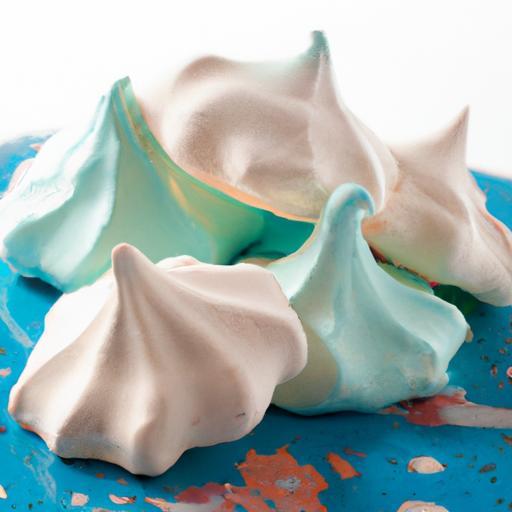
in the world of pastries, few confections capture both simplicity and sophistication quite like the French meringue cookie. With its ethereal texture and subtle sweetness, this delicate treat has long enchanted bakers and dessert lovers alike. Yet behind its airy charm lies a precise technique-one that transforms humble egg whites and sugar into a symphony of crispness and melt-in-the-mouth delight. This article peels back the layers of the French meringue, unveiling the artistry and meticulous care required to master its fragile allure.
the Delicate Art of French Meringue Cookies Unveiled: Mastering Texture and Flavor
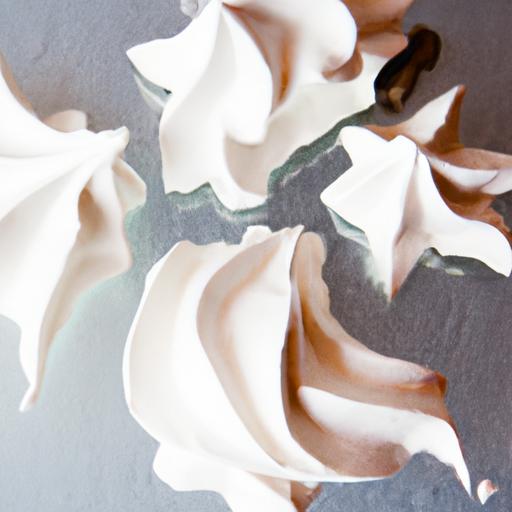
The delicate Art of French Meringue Cookies Unveiled showcases how mastering the technique of whipping egg whites to perfection is pivotal in achieving those irresistibly airy, cloud-like bites. Originating from the refined patisseries of France, these meringue cookies have enchanted dessert lovers with their crisp exteriors and melt-in-your-mouth centers. With a delicate balance of sweetness and structural stability, they are a sublime example of culinary precision and artistry.
Prep and Cook Time
- Preparation Time: 20 minutes
- Baking Time: 90 minutes
- Total Time: 1 hour 50 minutes
Yield
- Approximately 30 medium-sized cookies
Difficulty Level
- Medium
Ingredients
- 4 large egg whites (room temperature, free from yolk)
- 1 cup superfine granulated sugar (also known as caster sugar)
- 1/4 teaspoon cream of tartar (for stability)
- 1 teaspoon pure vanilla extract (or almond extract for variation)
- Pinch of fine sea salt
- Optional: 1 tablespoon cornstarch (for extra crispness and to absorb moisture)
Instructions
- Prepare your tools: Ensure all mixing bowls and beaters are immaculately clean and free from grease. Even a trace can prevent egg whites from whipping properly.
- Separate the eggs carefully: avoid any yolk contamination. Use fresh, room-temperature eggs – they whip up more voluminously than cold ones.
- Begin whipping the egg whites: Using a stand mixer or electric hand mixer on medium speed, whip the egg whites and cream of tartar until soft peaks form. Soft peaks will gently fold over when the beaters are lifted.
- Gradually add sugar: Slowly sprinkle in the superfine granulated sugar, one tablespoon at a time. This gradual incorporation is crucial to balance sweetness and maintain meringue stability. Continue beating on high speed.
- Achieve stiff, glossy peaks: Continue whipping until the meringue is firm and glossy, and when you lift the beaters, the peaks stand straight up without drooping. test by rubbing a tiny amount between your fingers; it should feel smooth, not gritty. If gritty,keep beating until completely dissolved.
- Fold in vanilla and salt: Gently fold in the vanilla extract and pinch of sea salt with a spatula, maintaining the airiness of the meringue.
- Pipe or spoon onto baking sheets: Line baking sheets with parchment paper. Use a piping bag fitted with a star tip for classic shapes or a spoon to dollop generous rounds.
- Bake low and slow: Bake at 225°F (110°C) for 90 minutes to 2 hours, depending on size, until the cookies are crisp on the outside and easily lift from the parchment. Turn off the oven and allow meringues to cool completely inside to avoid cracks caused by rapid temperature shifts.
Chef’s Notes
- Sweetness and Stability: Using superfine sugar is essential-it dissolves quickly, preventing graininess. Caster sugar is a great substitute if superfine is unavailable.
- Flavor Variations: Experiment with almond, lemon, or rose water extracts for unique flavor profiles. Adding a teaspoon of finely ground dried herbs like lavender can add an aromatic twist.
- Humidity Warning: Because meringues are hygroscopic,avoid baking or storing them on humid days to maintain crisp texture.
- Storage Tips: Store cooled cookies in airtight containers with silica gel packets or a pinch of rice to absorb moisture.
- Make-Ahead: Meringue cookies can be baked weeks in advance and stored well to preserve their delicate texture.
Serving Suggestions
The pristine elegance and delicate sweetness of french meringue cookies make them a impressive solo treat or an accompaniment to other desserts. Serve alongside a dollop of crème fraîche, fresh berries, or a drizzle of rich dark chocolate. Garnish with edible flowers for an extra touch of sophistication. For a playful twist, sandwich two cookies with lemon curd or chocolate ganache.

Nutritional Details
| Nutrient | per Serving (1 cookie) |
|---|---|
| Calories | 25 kcal |
| Protein | 0.5 g |
| Carbohydrates | 6 g |
| Fat | 0 g |
Related Resources
Discover more artisanal dessert techniques with our Classic French Pastries guide. For a deep dive into sugar science and its effects on meringue volume and texture, visit Cook’s Illustrated Sugar Guide.
Q&A
Q&A: the Delicate art of French Meringue Cookies Unveiled
Q1: What exactly is a french meringue, and how does it differ from other types of meringues?
A1: french meringue is the simplest and most conventional form of meringue, made by whisking egg whites with granulated sugar until glossy, stiff peaks form. Unlike Swiss or Italian meringue, it is not heated during preparation, which makes it lighter but also more delicate and less stable. This delicate structure gives French meringues their characteristic airy crunch but requires careful handling.
Q2: Why are French meringue cookies considered so delicate?
A2: Their delicate nature stems from their fundamental ingredients-egg whites and sugar-whipped to trap air and create a fragile foam. Since the mixture isn’t cooked before baking, French meringue cookies rely solely on gentle heat in the oven to dry out and crisp, often resulting in a soft interior with a crisp shell. these textural contrasts make them tender but prone to cracking or crumbling if not handled with care.
Q3: What are the key techniques to master when making French meringue cookies?
A3: Patience and precision are vital. Start with room-temperature egg whites,as they foam better. Whip at a slow to medium speed initially, then increase to incorporate air gradually. add sugar incrementally to stabilize the foam without deflating it.Properly baking at a low temperature for an extended period ensures drying without browning, preserving their delicate nature. And most importantly, avoid moisture during and after baking to keep them crisp.
Q4: can French meringues be flavored or colored, and how does this affect their texture?
A4: Absolutely! Flavors like vanilla, almond, or citrus zest can be gently folded in, and natural or gel food coloring can tint meringues beautifully. However, it’s essential to add these after achieving stiff peaks to avoid deflating the foam. Excess flavoring or liquid additives can weigh down the mixture and compromise texture, so subtle touches work best.
Q5: What common mistakes should bakers avoid when crafting French meringue cookies?
A5: Overbeating or underbeating egg whites is a frequent pitfall. Overbeating can cause dryness and difficulty combining sugar, while underbeating results in weak structure. introducing sugar too early or all at once can siphon moisture from whites and inhibit aeration. Also, baking at too high a temperature risks browning or cracking. Lastly, high humidity can sabotage crispness, so choosing a dry day or using a dehumidifier helps immensely.
Q6: How can French meringue cookies be stored to maintain their delicate crunch?
A6: They should be stored in an airtight container at room temperature, away from moisture and heat. Avoid refrigeration, which introduces humidity and can soften their crispness.When stored properly, French meringue cookies can maintain their delicate texture for up to two weeks.
Q7: What makes French meringue cookies a timeless classic in the world of desserts?
A7: Their ethereal lightness and subtle sweetness make French meringues a perfect canvas for creativity-from simple cookies to elegant pavlovas or garnishes. Their delicate crunch paired with melt-in-the-mouth interiors captivate both bakers and eaters alike, embodying the artistry of restraint and precision that defines French patisserie.
In Summary
as the last swirl of glossy meringue stiffens into a crisp, airy delight, the art of French meringue reveals itself not just in technique, but in patience and precision. These ethereal cookies, simple in ingredients yet complex in execution, remind us that sometimes the most delicate creations come from the quiet mastery of subtle details. Whether enjoyed as a standalone treat or as the delicate crown atop a decadent dessert, French meringues continue to captivate with their fragile beauty and timeless elegance-an enduring testament to the sweet rewards of culinary finesse.