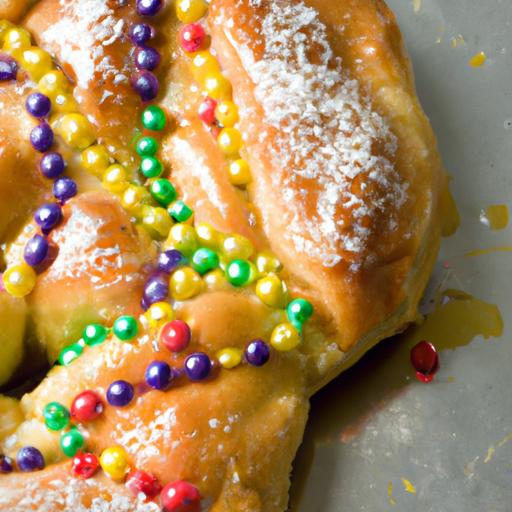

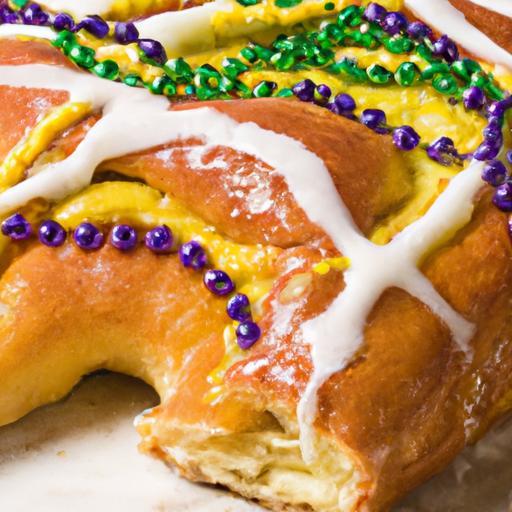
Every year, as winter wanes and teh air carries whispers of spring, a beloved tradition resurfaces, wrapped in colorful sugar and rich history: the king cake. More then just a pastry, the king cake is a symbol woven into the fabric of celebrations, especially during the festive season leading up to Mardi Gras. It’s origins trace back centuries, crossing continents and cultures, each adding layers of meaning and flavor. In this article, we will unwrap the intriguing history and diverse tastes of the king cake, exploring how this sweet tradition continues to delight palates and bring people together around the world.
the Sweet Tradition of King Cakes is much more than a festive dessert; it is a vibrant symbol of festivity deeply rooted in history and culture. Originating in medieval Europe and flourishing especially in the American South, this colorful pastry embodies community, joy, and the rich flavors of the season. Its journey from royal courts to Mardi Gras parades has inspired countless bakers to explore traditional flavors while embracing unique modern twists that delight every palate.
Prep and Cook Time
- Preparation: 30 minutes
- Rising Time: 1 hour 15 minutes
- Baking Time: 25-30 minutes
- total Time: Approximately 2 hours
Yield
- One large King Cake, serving 10-12 people
Difficulty Level
- Medium – requires some experience with yeast dough
The Sweet Tradition of King Cakes: Ingredients
- 4 cups all-purpose flour, sifted
- 1/2 cup granulated sugar
- 2 1/4 tsp active dry yeast (1 packet)
- 1 cup warm whole milk (110°F/43°C)
- 1/2 cup unsalted butter, softened
- 3 large eggs, room temperature
- 1 tsp ground cinnamon
- 1 tsp salt
- 1 tsp vanilla extract
- 1 cup colored sugar (traditional Mardi Gras purple, green, and gold)
- 1 small plastic baby figurine or dried bean (optional)
- 3/4 cup powdered sugar (for glaze)
- 2 tbsp lemon juice
- 2 tbsp whole milk (for glaze)
Instructions
- Activate the yeast: In a small bowl, combine warm milk and 1 tbsp sugar. Sprinkle the yeast over the top and let sit for 5-7 minutes until foamy.
- Prepare the dough: In a large mixing bowl, whisk together flour, remaining sugar, cinnamon, and salt. Add softened butter, eggs, vanilla extract, and yeast mixture. Stir with a wooden spoon until a sticky dough forms.
- Knead the dough: Turn dough onto a floured surface and knead for 8-10 minutes until smooth and elastic. Add small amounts of flour if too sticky, but keep dough slightly tacky for softness.
- First rise: Place dough in a lightly greased bowl, cover with a damp cloth, and let rise in a warm spot for about 1 hour or until doubled.
- Shape the cake: Punch down dough and roll into a 24-inch long rectangle (about 12×6 inches). optionally place the baby figurine or bean inside dough.
- Form the ring: Roll dough tightly into a log from the long side.Pinch ends to seal and shape into a ring, pinching ends firmly to keep the circular shape.
- Second rise: Place ring on a parchment-lined baking sheet. Cover and let rise for 30 minutes until puffy.
- Bake: Preheat oven to 350°F (175°C). Bake the King Cake for 25-30 minutes, until golden brown and hollow-sounding when tapped.
- Prepare glaze: Whisk powdered sugar, lemon juice, and milk until smooth. Drizzle over warm cake as soon as it comes out of the oven.
- Decorate: Immediately sprinkle colored sugars in purple, green, and gold stripes atop the glaze for a vibrant finish.
Tips for Success
- Use lukewarm milk to activate yeast properly; too hot and it will kill the yeast.
- Kneading dough well develops gluten, yielding a tender yet structured crumb.
- Incorporate a small plastic baby safely wrapped in parchment to avoid baking hazards.
- for flavor variation: add orange zest or almond extract to the dough.
- The cake tastes even better the next day-store covered at room temperature, but add fresh glaze before serving.
Serving Suggestions
The Sweet Tradition of King Cakes shines when shared among friends and family. Serve slices with a hot cup of strong coffee or spiced tea to balance the sweetness. Garnish plates with fresh mint, or add a fragrant dusting of powdered sugar.Hosting a mardi Gras party? Place the cake centrally and let guests take turns uncovering the baby, passing on the duty of next year’s celebration.

| Nutrient | Per Serving (1 slice) |
|---|---|
| Calories | 320 kcal |
| Protein | 6 g |
| Carbohydrates | 45 g |
| Fat | 12 g |
Discover more about the unique culinary heritage of New Orleans or learn about yeast dough techniques in our detailed guide. For an expert dive into Mardi Gras culture,visit History.com’s Mardi Gras overview.
Q&A
Q&A: The Sweet Tradition of King Cakes - History and Flavor Unwrapped
Q1: What is a king Cake?
A King Cake is a festive pastry traditionally associated with the Mardi Gras season. It is a ring-shaped cake, often decorated with vibrant sugars in purple, green, and gold-the official colors of Mardi Gras. Inside, it typically hides a small figurine, symbolizing the Baby jesus, making the cake both a treat and a game for those who partake in the tradition.
Q2: Where did the King Cake tradition originate?
The origin of the King cake dates back to medieval Europe, particularly France and Spain, where similar cakes were baked to celebrate Epiphany on January 6th-the day commemorating the visit of the Magi to baby Jesus. The tradition was brought to North America by French settlers and has as flourished especially in New Orleans, Louisiana.
Q3: What does the King Cake symbolize?
The circular shape of the King Cake symbolizes unity and the circle of life, while the hidden figurine inside represents luck and prosperity. Whoever finds the figurine in their slice is frequently enough tasked with hosting the next King Cake party or providing the next cake, keeping the celebration alive throughout the season.
Q4: How has the King cake evolved over time?
Originally a simple bread with powdered sugar, King Cakes have evolved into elaborate pastries filled with cream cheese, cinnamon, praline, or fruit fillings. Modern bakers experiment with flavors and decorations, blending tradition with contemporary tastes, yet the ritual of sharing and celebration remains central.
Q5: Why are the colors purple,green,and gold critically important?
Each color carries meaning: purple represents justice,green symbolizes faith,and gold stands for power.These colors were chosen by the Krewe of Rex, one of the oldest Mardi Gras organizations, and have since become emblematic of the season and the King Cake itself.
Q6: How is a King Cake enjoyed today?
King Cakes are enjoyed throughout the Mardi Gras season-from Epiphany through Fat Tuesday. They are shared among friends, families, and coworkers, frequently enough accompanied by laughter and storytelling. The hunt for the hidden baby adds an element of surprise and community spirit to the indulgence.
Q7: Can King cakes be found outside of Louisiana?
While King Cakes are most famously associated with New Orleans and the Gulf Coast, their popularity has spread across the United States and beyond. Many bakeries nationwide now offer King Cakes during the Mardi Gras season, inviting more people to partake in this joyful tradition.
Q8: what should someone new to King Cakes expect when trying one?
expect a sweet, festive experience wrapped in layers of history and culture. The cake’s texture is rich and slightly spiced or flavored depending on the filling, with a sugary glaze on top. Beyond taste, it’s the communal tradition of sharing and the fun surprise inside that make a King Cake memorable.
Q9: Is the King Cake tradition tied exclusively to Mardi Gras?
While closely linked to Mardi Gras celebrations, the King Cake’s roots lie in the Epiphany feast. in many cultures around the world, similar cakes mark this winter holiday. However,in Louisiana and other Gulf Coast areas,the King Cake tradition extends through the entire Carnival season leading up to fat Tuesday.
Q10: What makes King Cakes a timeless tradition?
The King Cake’s charm lies in its blend of history, symbolism, and communal joy. It’s more than just a cake-it’s a shared ritual that invites participation,storytelling,and connection. This sweet tradition continues to evolve while preserving the spirit of celebration that has endured for centuries.
To Wrap It Up
From the vibrant streets of New Orleans to celebrations around the world, the king cake remains a tasty emblem of festivity and tradition. Unwrapping its layers reveals not just a blend of sweet flavors and colorful frosting, but a rich history steeped in culture and community. Whether you savor it with friends during Mardi Gras or simply appreciate its unique charm, the king cake invites us all to partake in a centuries-old ritual-one bite at a time. As the final slice is shared, the story continues, sweet and alive, ready to be rediscovered each season.