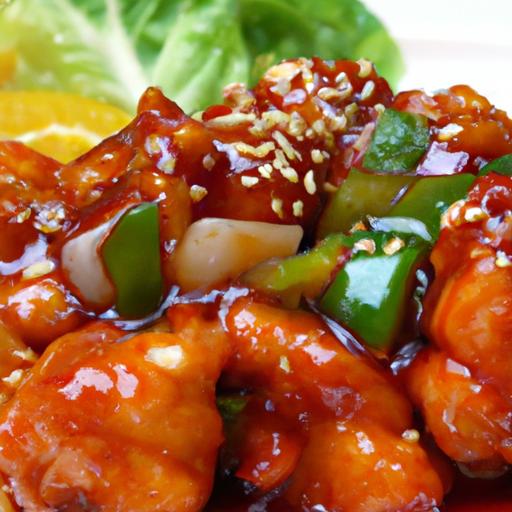

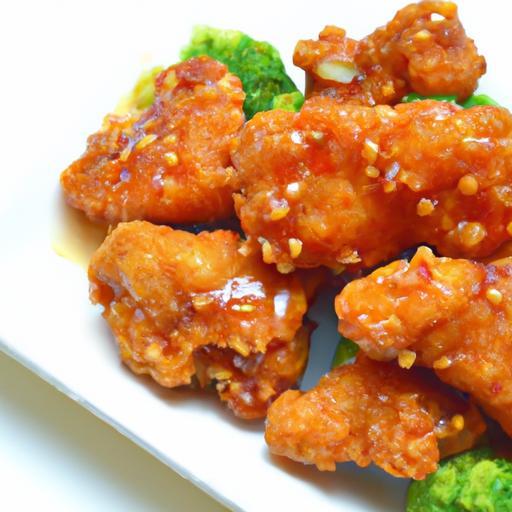
Tso’s Famous Chicken: Behind the crispy, sweet, and slightly spicy delight known as General Tso’s chicken lies a story as rich and complex as the dish itself. More than just a staple of American-Chinese takeout menus, this iconic plate carries with it a tapestry of history, culture, and culinary evolution that few diners ever stop to consider. From its unexpected origins to the chef whose name it bears, the journey of General Tso’s chicken reveals a fascinating tale-one that blends tradition, adaptation, and a touch of mystery in every bite. Join us as we uncover the untold story behind one of the most beloved dishes in modern cuisine.
General Tso’s Chicken is a beloved staple in American-chinese cuisine, celebrated for its crispy texture layered with a glossy, tangy-sweet sauce that ignites the palate. Hidden within this iconic dish is a fascinating story of culinary fusion, where flavors from Hunan province met Western preferences, evolving into the irresistible dish that delights millions today. Preparing authentic General Tso’s Chicken at home invites you to explore these rich flavors with approachable techniques and carefully balanced ingredients that honor its complex heritage.
Prep and Cook Time
Readiness: 20 minutes
cooking: 15 minutes
Total Time: 35 minutes
Yield
Serves 4 hearty portions
Difficulty Level
Medium – Beginner cooks with some frying experience will find this recipe straightforward,while seasoned chefs will enjoy the precision involved in balancing the sauce.
Ingredients
- 1 lb boneless, skinless chicken thighs, cut into bite-sized pieces
- 1 cup all-purpose flour
- 1/2 cup cornstarch
- 2 large eggs, beaten
- 2 cups vegetable oil, for frying
- 3 cloves garlic, minced
- 1-inch piece ginger, minced
- 3 dried red chilies, whole
- 2 green onions, chopped (separate whites and greens)
- 1/4 cup soy sauce
- 3 tablespoons rice vinegar
- 3 tablespoons hoisin sauce
- 2 tablespoons sugar
- 1 tablespoon cornstarch, dissolved in 2 tablespoons cold water
- 1/2 cup chicken broth
- Sesame seeds, for garnish (optional)
Instructions
- Prep the chicken: Pat the chicken pieces dry and toss them in a bowl with the beaten eggs until fully coated.
- Coat the chicken: In a separate bowl, combine the all-purpose flour and cornstarch. Dredge each piece of egg-coated chicken in the flour mixture, shaking off any excess for an even, light crust.
- Heat the oil: In a deep skillet or wok,heat the vegetable oil over medium-high heat to 350°F (175°C).Use a thermometer for accuracy. Fry chicken in batches to avoid overcrowding.
- Fry until golden: Fry each batch for about 4-5 minutes until crispy and golden brown. Remove using a slotted spoon and drain on paper towels to keep it crisp.
- Prepare the sauce: In a clean wok, add a tablespoon of oil and sauté minced garlic, ginger, dried chilies, and the white parts of green onions until fragrant (about 30 seconds).
- Combine sauce ingredients: Stir in soy sauce, rice vinegar, hoisin sauce, sugar, and chicken broth. let the mixture simmer for 2-3 minutes.
- thicken the sauce: slowly whisk in the cornstarch slurry, stirring continuously until the sauce becomes glossy and thickens enough to coat the back of a spoon.
- Toss chicken in sauce: Add the fried chicken pieces back into the wok, gently tossing to ensure every bite is luxuriously coated.
- Garnish & serve: Sprinkle with chopped green onion tops and sesame seeds before plating.
Tips for crafting Authentic General Tso’s Chicken at Home
- Use chicken thighs rather of breast for juicier, more flavorful bites.
- Double dredging with egg wash and a flour/cornstarch blend leads to an irresistibly crisp crust.
- Maintain oil temperature between batches to keep the crust crispy, avoiding sogginess.
- Adjust heat level by increasing or omitting dried red chilies based on your spice tolerance.
- Make-ahead: Chicken can be fried ahead and reheated in a hot oven for 5 minutes to retain crispness.
- Substitution: For a gluten-free version, swap all-purpose flour with rice flour and soy sauce with tamari.
Serving Suggestions
General Tso’s Chicken shines when served over steamed jasmine rice or buttery fried rice, balancing its bold flavors. Accompany with steamed broccoli or sautéed snap peas to add a fresh, crisp contrast. Garnishing with freshly chopped green onions and toasted sesame seeds visually enhances the dish and adds subtle taste notes. For a festive touch, serve with thinly sliced fresh red chilies for guests who crave extra heat.
| Nutrition | Per Serving |
|---|---|
| Calories | 480 |
| Protein | 32g |
| Carbohydrates | 45g |
| Fat | 18g |

For more insights into the origins of chinese-American dishes, you can explore our article on The Evolution of Chinese-American classics. Additionally,the Encyclopaedia Britannica on Chinese Cuisine provides excellent background on customary Chinese culinary arts.
Q&A
Q&A: the Untold Story behind general Tso’s Famous Chicken
Q1: who was General Tso, and how is he connected to the famous chicken dish?
A: General Tso (also spelled Tsao or Zuo) was a 19th-century chinese military leader from the Qing Dynasty, known for his role in quelling rebellions. Ironically, there’s no ancient evidence that he created or even enjoyed the dish that bears his name. The connection is more symbolic than culinary,with the dish being named in his honor decades later.
Q2: If General Tso didn’t invent the dish, then who did?
A: The dish as we know it today was popularized in the United States, most notably by Chinese chefs adapting their cuisine to American tastes in the mid-20th century. Chef Peng Chang-kuei, a Hunan native, is often credited with creating a version of General Tso’s chicken in the 1950s or 1960s while working in Taiwan before the dish gained popularity in American Chinese restaurants.
Q3: What does the dish symbolize in Chinese-American culture?
A: General Tso’s chicken represents the fusion of traditional Chinese flavors with Western preferences, showcasing the adaptability of immigrant chefs.It embodies the identity of Chinese cuisine in America-bold, sweet, and fried-a far cry from its authentic regional roots but beloved nonetheless.
Q4: How does the American version differ from traditional Chinese recipes?
A: The American dish is typically sweet, tangy, and heavily battered and fried, frequently enough served with broccoli. In contrast, authentic Hunan or other regional Chinese versions focus more on spicy, savory, and less sweet flavors, frequently featuring fresh ingredients and lighter preparations.Q5: Why has General Tso’s chicken remained so popular despite its ambiguous origins?
A: Its popularity owes much to its comforting taste and the nostalgia it evokes for many Chinese-American families and diners. The dish’s rich sauce and crispy chicken pieces offer a reliable culinary experience that appeals broadly. Plus, its story adds an air of intrigue-melding history, culture, and cuisine in a single plate.
Q6: Are there any contemporary chefs revisiting the story and recipe of General Tso’s chicken?
A: yes, some contemporary chefs are reinterpreting the dish by returning to traditional Chinese cooking techniques and ingredients or by creating lighter, healthier versions. They aim to honor both the dish’s American legacy and its Chinese culinary heritage, offering diners a layered understanding of this iconic meal.
Q7: What does General Tso’s chicken teach us about food and cultural identity?
A: It reminds us that food is often a living narrative, shaped by migration, adaptation, and storytelling. General Tso’s chicken,though not historically tied to the general himself,tells a broader tale about how cultures reinterpret traditions to create something new-an edible bridge between past and present,East and West.
Closing Remarks
As the savory aroma of General Tso’s Chicken continues to captivate taste buds around the world, it’s worth pausing to appreciate the rich tapestry of history, culture, and adaptation behind this beloved dish. More than just a staple on Chinese-American menus, it embodies a story of reinvention-where tradition meets innovation, and myth blends with reality. Next time you savor those crispy, tangy bites, remember that your not just enjoying a meal; you’re partaking in a culinary journey woven through time and taste, one that reflects the ever-evolving nature of food and identity.