
Stepping into the world of French patisserie is like opening a storybook filled with delicate layers,rich aromas,and time-honored techniques. Each recipe carries a whisper of history, inviting bakers and enthusiasts alike on a journey through centuries of culinary artistry. From the flaky, buttery croissants of Parisian mornings to the silky, elegant éclairs that grace afternoon tables, timeless French patisserie recipes offer more than just desserts-they embody a tradition of precision, passion, and simple ingredients transformed into exquisite creations. This article embarks on a classic baking journey, exploring these cherished recipes that continue to inspire and delight across generations.
Timeless french patisserie recipes bring an exquisite blend of art and tradition into every bite, capturing centuries of culinary mastery. With delicate layers, buttery textures, and unforgettable aromas, these baked confections transform simple ingredients into edible masterpieces. Embarking on this classic baking journey yields not only delightful pastries but also a deep recognition of the essential techniques and regional nuances that define French patisserie.
Prep and Cook Time
- Preparation: 1 hour 30 minutes (including chilling time)
- Cooking / Baking: 25-35 minutes
- Total Time: Approximately 2 hours 15 minutes
Yield
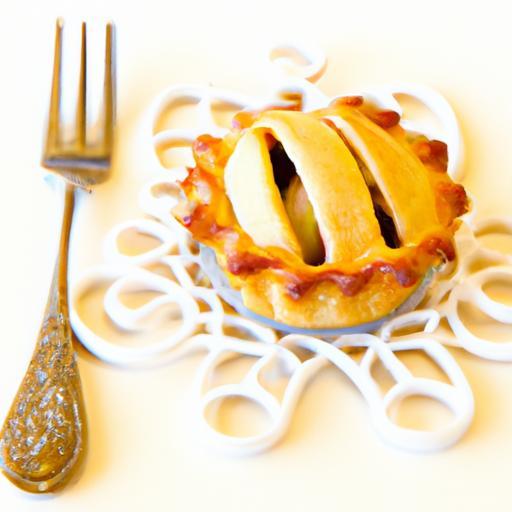
Yields 12 perfectly flaky pastries, ideal for sharing or indulgent personal treats.
Difficulty Level
Intermediate: Requires patience and attention to detail but achievable with guided steps.
Ingredients
- 2 1/2 cups all-purpose flour, sifted
- 1 tsp fine sea salt
- 2 tbsp granulated sugar
- 1 cup unsalted butter, chilled and cubed (preferably European style)
- 3/4 cup cold whole milk
- 1 tbsp active dry yeast
- 1 large egg (for egg wash)
- 1 tsp vanilla extract (optional, for sweet dough)
- Powdered sugar for dusting
Instructions
- Activate the yeast: In a small bowl, dissolve the yeast in cold milk and allow it to sit for 5 minutes until slightly frothy. This ensures your dough rises with lightness and airiness.
- Combine dry ingredients: In a large mixing bowl, whisk together flour, sugar, and salt. Incorporate the chilled cubed butter using a pastry cutter or your fingertips until the mixture resembles coarse crumbs with tiny butter flecks intact.
- Add liquid and vanilla: Slowly pour in the milk-yeast mixture, stirring gently with a wooden spoon until the dough just comes together. Avoid overmixing to preserve flakiness.
- Chill the dough: Wrap the dough tightly in plastic wrap and refrigerate for at least 1 hour. Cold dough is crucial to flaky, layered textures typical of authentic French pastries.
- Laminate the dough: Lightly flour your workstation. Roll out the chilled dough into a large rectangle (approx. 12×20 inches). Fold the dough into thirds like a letter,rotate 90 degrees,and roll out again. Repeat this folding and rolling process 3 times, chilling the dough 20 minutes between folds if it becomes too warm.
- Shape the pastries: After the final fold and chill, roll the dough out to 1/4 inch thickness. Cut into triangles or rectangles depending on the pastry style you wish to create (croissants,pains au chocolat,or fruit-filled turnovers).
- Proof the pastries: Place shaped pastries on parchment-lined baking trays, cover lightly with a damp towel or plastic wrap, and allow them to rise in a warm environment until puffy – about 1 to 1.5 hours.
- Apply egg wash and bake: Preheat the oven to 375°F (190°C). Beat the egg with a tablespoon of water and gently brush the tops for a golden, glossy finish. Bake pastries for 20-35 minutes or until deep golden brown and layered to perfection.
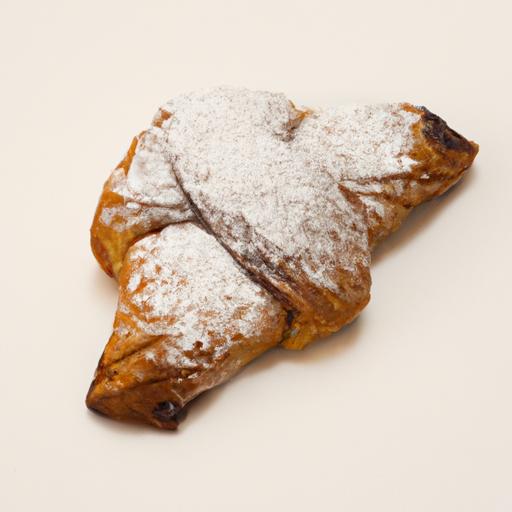
- Cool and garnish: Transfer pastries to a wire rack to cool. Dust lightly with powdered sugar or glaze with apricot jam for shine and additional flavor.
Tips for Success
- Use high-quality European-style butter with a high fat content for the richest taste and flakiest layers.
- Keep all ingredients cold to ensure that the butter layers remain firm and create that signature “lift” during baking.
- Do not rush the lamination process-resting between folds is essential to avoid tearing the dough and melting butter prematurely.
- Experiment with regional variations like adding almond paste for croissants aux amandes or a dollop of fruit preserves for a burst of flavor.
- Make-ahead tip: Pastries can be shaped and frozen before proofing; bake straight from the freezer, adding a few extra minutes to baking time.
Serving Suggestions
Present your classic French pastries on a rustic wooden board or elegant porcelain platter to evoke a café atmosphere. Serve alongside freshly brewed café au lait or a delicate tea blend. Garnish with fresh berries, edible flowers, or a drizzle of melted dark chocolate to elevate both flavor and visual appeal.
| Nutrient | Per Serving (1 pastry) |
|---|---|
| Calories | 290 kcal |
| Protein | 5 g |
| Carbohydrates | 30 g |
| Fat | 15 g |

For those eager to deepen their knowledge, explore our ultimate croissant guide or visit Académie du goût for professional insights from French pastry chefs.
Q&A
Q&A: Timeless French Patisserie Recipes – A Classic Baking Journey
Q1: What defines a french patisserie as “timeless”?
A: A timeless French patisserie recipe is one that has withstood the test of time due to its enduring flavors, techniques, and cultural significance. These recipes, frequently enough passed down through generations, capture the essence of French baking tradition and continue to delight with their elegance and simplicity.
Q2: Which classic French patisserie recipes are essential for beginners?
A: Beginners might start with iconic pastries such as the buttery Croissant, delicate madeleines, light and airy Éclairs, and the quintessential Tarte Tatin. These recipes offer a foundational understanding of French baking principles, from laminating dough to mastering caramelization.
Q3: How notable is technique in French pastry making?
A: Technique is paramount in French patisserie. Precision in measuring, timing, and executing each step ensures the delicate balance of textures and flavors. Mastery of methods such as pâte feuilletée (puff pastry) and pâte à choux (cream puff dough) elevates a simple recipe into a refined masterpiece.
Q4: Can these classic recipes be adapted for modern tastes or dietary needs?
A: Absolutely. While respecting tradition, many bakers introduce subtle adaptations – using alternative flours, reducing sugar, or incorporating contemporary fillings – to cater to modern palates and dietary preferences without sacrificing the integrity of the original recipes.
Q5: What makes French patisserie recipes a cultural journey, not just a baking task?
A: Each recipe is a window into French heritage, reflecting regional ingredients, historical influences, and artisanal craftsmanship. Baking these classics invites not only the replication of flavors but also an immersion into the stories, rituals, and artistry that define French culinary identity.
Q6: Where can one find authentic inspiration to embark on this classic baking journey?
A: Inspiration can be drawn from traditional cookbooks,patisserie workshops,and visits to French bakeries. Exploring culinary legends like Julia Child, Pierre Hermé, or Gaston Lenôtre can also provide both knowledge and motivation to embrace the timeless art of French patisserie.
Q7: What is the most rewarding aspect of baking these timeless recipes?
A: Beyond the delicious results, the greatest reward lies in the connection to history, culture, and craftsmanship. Each pastry made is a tribute to centuries-old traditions and a personal achievement in the delicate dance of flour, butter, and sugar coming together in perfect harmony.
Insights and Conclusions
As we close the chapter on this classic baking journey, the timeless allure of French patisserie remains ever inviting. These recipes, steeped in tradition and crafted with care, offer more than just delightful flavors-they carry the whispers of history and the artistry of generations. Whether you’re a novice or a seasoned baker, embracing these enduring classics is an invitation to connect with a rich culinary heritage that transcends time. So,as your oven warms and the scent of buttery pastries fills your kitchen,remember: each bite is a small celebration of a sweet,storied legacy.