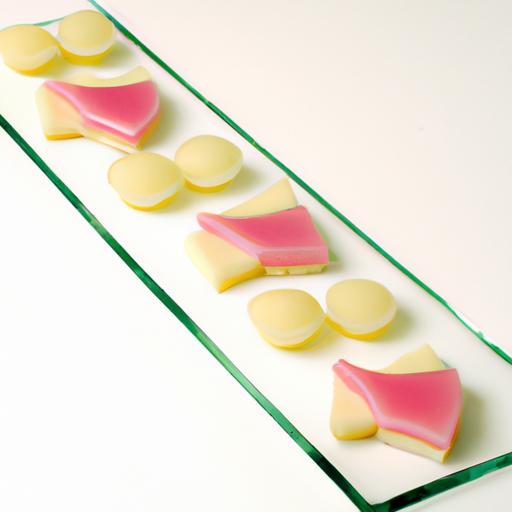

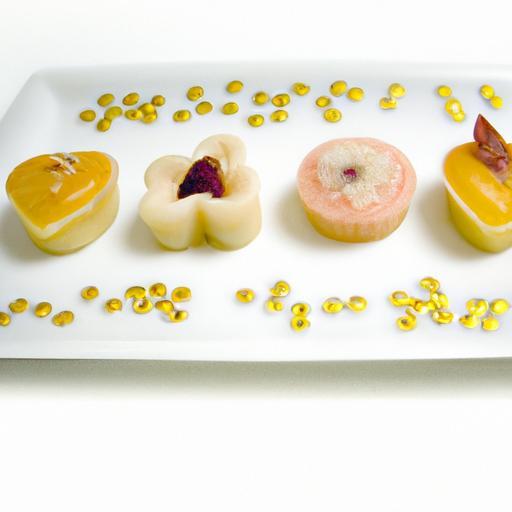
In the world of confectionery,where flavor and presentation frequently enough vie for attention,petit fours stand as delicate ambassadors of both artistry and indulgence. Thes tiny treats,no bigger than a few bites,encapsulate a symphony of textures,colors,and tastes that delight the senses far beyond their modest size. From the meticulous layering of sponge and cream to the intricate icing and decorative finishes, petit fours invite us to appreciate the harmony of skill and creativity in miniature form.This article explores the art of petit fours-how these petite pastries transform simple ingredients into exquisite morsels that bring joy in every bite.
mastering the delicate craftsmanship behind petit fours invites you to experience tiny treats with big delight, where precision meets artistry in every bite. These miniature confections, born from French patisserie traditions, are a celebration of refined flavor, texture, and presentation. Their intricate layers and elegant finishes make them the perfect finale to any gathering or special occasion. The journey to perfect petit fours begins by selecting the finest ingredients that elevate both flavor and texture, ensuring each miniature cake delivers a symphony of tastes and a velvety mouthfeel.
Prep and Cook Time
Preparation: 1 hour
Cook Time: 25 minutes
Chilling and assembly: 2 hours
Yield
Approximately 24 petit fours (1-inch squares)
Difficulty Level
Medium – Advanced (involves multiple components and precision)
Ingredients
- 1 cup all-purpose flour, sifted
- 1/2 cup unsalted butter, softened
- 3/4 cup granulated sugar
- 3 large eggs, room temperature
- 1 tsp pure vanilla extract
- 1 tsp baking powder
- 1/4 tsp fine sea salt
- 1/2 cup whole milk, warmed
- 1/2 cup apricot jam, warmed (for glazing)
- 200g white chocolate, tempered (for coating)
- Assorted edible decorations: finely chopped pistachios, edible flowers, colored sugar crystals
Instructions
- Preheat the oven to 350°F (175°C) and line an 8×8-inch baking pan with parchment paper, leaving some overhang for easy removal.
- Cream the butter and sugar in a mixing bowl using a hand or stand mixer on medium speed until light and fluffy, about 3-4 minutes.
- Add the eggs one at a time, beating well after each addition, then stir in the vanilla extract for aromatic depth.
- Whisk together the sifted flour, baking powder, and salt. Gradually fold this dry mixture into the wet ingredients alternating with warmed milk, starting and ending with the flour mixture. Fold gently to avoid overmixing and keep the batter airy.
- Pour the batter evenly into the prepared pan and smooth the surface with a spatula.
- Bake for 22-25 minutes, or until a toothpick inserted in the centre comes out clean. Avoid overbaking to maintain delicate crumb texture essential for petit fours.
- Cool the cake wholly in the pan, then use the overhanging parchment to lift it out.Transfer to a wire rack.
- Trim the cake edges for a clean finish and slice into 1-inch squares using a sharp serrated knife for precision. Refrigerate the pieces briefly for better handling during glazing.
- Warm the apricot jam gently, then brush a thin layer over each cake square to seal in moisture and add subtle fruitiness.
- Dip each petit four into the tempered white chocolate, ensuring an even, thin coating. Tap off excess chocolate and place on parchment to set.
- Decorate immediately with your choice of edible accents before the coating hardens, adding a burst of color and texture.
- Chill the finished petit fours for at least 1 hour to allow the glaze to set firmly before serving.
Tips for Success
- Ingredient quality matters: Fresh eggs and high-quality butter create a richer,more tender crumb essential for petite elegance.
- Control batter consistency: Avoid overmixing to keep the petits fours light; a dense batter results in heavy bites, losing finesse.
- Tempering chocolate: If unfamiliar, use bite-sized melting wafers-thay simplify coating and achieve a glossy, crackly finish.
- Make ahead: Petit fours can be assembled a day in advance and stored in an airtight container in the refrigerator to preserve freshness and flavor complexity.
- Substitutions: Swap apricot jam with raspberry or strawberry preserves for seasonal flair, or use dark chocolate coating for a bolder contrast.
Serving Suggestions
Arrange petit fours gracefully on a vintage porcelain platter or tiered cake stand to emphasize their delicate nature. garnish the display with fresh edible flowers such as violets or pansies, and scatter finely chopped pistachios or rose petals to enhance color contrast. Accompanying the plate with a pot of herbal tea or champagne elevates the tasting experience,inviting guests to savor these tiny masterpieces slowly. Serve at ambient temperature to let the nuanced flavors and textures shine fully in each bite.
| Nutrient | Per Petit Four (Approx.) |
|---|---|
| Calories | 95 kcal |
| Protein | 1.2 g |
| Carbohydrates | 12 g |
| Fat | 5 g |
Explore more refined desserts like this in our Classic French Pastries Guide for an in-depth look at elegant European treats.
To deepen your understanding of chocolate tempering and patisserie techniques, refer to the authoritative Le Cordon Bleu guide on tempering chocolate.

Q&A
Q&A: The Art of Petit Fours – Tiny Treats with Big Delight
Q: What exactly are petit fours, and why are they so cherished in the world of confections?
A: Petit fours are elegantly crafted bite-sized pastries or confections, frequently enough elaborately decorated and served as delicate morsels at gatherings.Their charm lies in their exquisite detail and the way they encapsulate complex flavors in a miniature form-offering a big delight in a tiny package.
Q: Where did petit fours originate, and how has their tradition evolved over time?
A: The term “petit four” originates from 18th-century France, meaning “small oven.” Originally, these treats where baked in the residual heat of fading ovens, allowing bakers to create small, delicate cakes without wasting warmth. Over centuries, petit fours evolved from simple leftover treats to sophisticated confections celebrated for artistry as much as taste.
Q: What varieties of petit fours are commonly found on a pâtisserie platter?
A: Petit fours typically fall into three categories: glacé (iced), sec (dry), and salé (savory).Glacé petit fours frequently enough feature a smooth sugar glaze or fondant; sec are biscuit-based, like macarons or mini financiers; and salé includes tiny savory bites like mini quiches or canapés, balancing sweetness with savory elegance.
Q: What makes creating petit fours such a unique culinary skill?
A: Crafting petit fours demands precision, patience, and creativity. Bakers must balance texture, flavor, and visual appeal on a miniature scale, frequently enough decorating each piece by hand. The artistry lies in transforming simple ingredients into enchanting edible gems that delight the eye and palate alike.
Q: How can one incorporate petit fours into modern celebrations or gatherings?
A: Petit fours serve as charming accent pieces for everything from weddings to tea parties. Their small size encourages sharing and sampling, making them perfect for social occasions. Presenting an assortment of petit fours adds elegance and variety, turning any gathering into a tasteful celebration of miniature indulgence.
Q: Are petit fours accessible for home bakers, or are they mostly the domain of professionals?
A: While petit fours can be intricate, many home bakers can successfully create them with practice and quality ingredients. Starting with simpler recipes-like small butter cookies dipped in chocolate or fruit jams encased in delicate pastry-allows enthusiasts to explore this art form. Though, the finest petit fours frequently enough require professional skill, specialized tools, and time.
Q: What role do petit fours play in the sensory experience of dessert?
A: Beyond taste, petit fours engage sight, touch, and even scent. Their detailed decoration invites admiration before the first bite, while their delicate textures offer contrast and surprise. They create a multisensory experience, turning dessert into an artistic ritual rather than a mere meal ending.
Q: How do petit fours reflect cultural and regional influences in pastry-making?
A: Petit fours are a canvas for regional flavors and techniques-from fragrant lavender-infused glazes in Provence to rich chocolate and nuts in Belgium. They reflect local ingredients, traditions, and aesthetics, showcasing how tiny treats can embody a world of culinary heritage.
Q: What is the future of petit fours in contemporary pastry trends?
A: With the current focus on artisanal craft and experiential dining, petit fours are experiencing a renaissance. Modern pastry chefs blend traditional techniques with innovative flavors and presentations,frequently enough incorporating global influences. The trend leans toward miniatures that tell a story, merging nostalgia with novelty in every bite.
Q: Why shoudl someone consider trying or making petit fours?
A: Embracing petit fours invites one into a world where culinary art meets joyful indulgence. Whether savoring these tiny treats or crafting them by hand,the process fosters appreciation for detail,patience,and the simple pleasure that big delight can come in small bites.
Concluding Remarks
In the delicate world of petit fours,smallness is not a limitation but a canvas for creativity,tradition,and flavor. These tiny treats invite us to slow down, savor each bite, and appreciate the artistry that transforms simple ingredients into exquisite moments of delight. Whether enjoyed at a grand celebration or as a quiet indulgence, petit fours remind us that sometimes, the smallest pleasures can leave the most lasting impressions.