
In the world of Japanese cuisine, where every dish tells a story through its delicate balance of flavors and textures, Tuna nigiri stands out as a quintessential expression of simplicity and elegance. This humble combination of vinegared rice and fresh tuna transcends mere sustenance, inviting both the eye and palate into an experience shaped by tradition and precision. As a culinary icon,Tuna Nigiri captures the essence of japanese craftsmanship-unadorned,refined,and timeless-offering a taste that is as pure today as it was centuries ago.
Tuna Nigiri, a quintessential symbol of Japanese simplicity and culinary precision, carries centuries of cultural heritage on each delicate piece. Originating from Edo-period Tokyo (formerly Edo), this sushi style was developed as a fast yet refined street food that evolved into a globally revered delicacy. The harmony between fresh, skillfully sliced tuna and perfectly hand-formed sushi rice embodies the essence of umami and minimalism, capturing the spirit of Japanese aesthetics and taste.
Prep and Cook Time
- Preparation: 20 minutes
- Cooking (rice preparation): 30 minutes
- Total Time: 50 minutes
yield
- 6 servings (12 pieces of tuna nigiri)
Difficulty level
- Medium – requires careful rice shaping and knife skills to slice tuna properly
Ingredients
- 2 cups sushi rice, rinsed and drained
- 2 1/2 cups water
- 1/3 cup rice vinegar
- 3 tbsp sugar
- 1 tsp salt
- 200g fresh sashimi-grade tuna, preferably bluefin or yellowfin
- Wasabi paste, for spreading
- Soy sauce, for serving
- Pickled ginger (gari), for palate cleansing
Instructions
- Cook the sushi rice: Combine rinsed sushi rice and water in a rice cooker or pot. Cook according to your rice cooker directions or bring to a boil, reduce to low, and simmer for 18 minutes, then let rest for 10 minutes off heat.
- Prepare sushi vinegar: In a small saucepan, gently heat rice vinegar, sugar, and salt until dissolved. Cool completely.
- Season rice: Transfer cooked rice to a large wooden or non-metal bowl. Gradually fold in sushi vinegar with a wooden spatula, fanning the rice to cool and develop a glossy shine. Keep rice covered with a damp towel.
- Slice tuna: Using a very sharp knife, slice tuna into 1/4 inch thick, 2-inch long strips at a 45-degree angle to maximize flavor and texture.
- Shape the nigiri: wet hands with a vinegar-water mix to prevent sticking. Gently mold about 20g sushi rice into an oblong shape,firm but airy.
- assemble: Dab a small amount of wasabi onto one side of the tuna slice. place tuna atop the rice shape, pressing lightly to adhere without crushing the rice grains.
- Serve immediately: Plate the tuna nigiri artistically with pickled ginger and a small dish of soy sauce on the side.
Tips for success
- Use high-quality sashimi-grade tuna sourced from a trusted fishmonger to ensure freshness and safety.
- Keep your knife sharp for clean, precise cuts to maintain the texture and presentation of the tuna.
- Don’t over-handle the rice; a gentle touch preserves its delicate structure and absorbs the sushi vinegar properly.
- Try chilling your hands between shaping pieces to reduce stickiness and improve forming consistency.
- Make sushi rice slightly warm when shaping; too hot or cold will affect moldability and taste.
Serving Suggestions
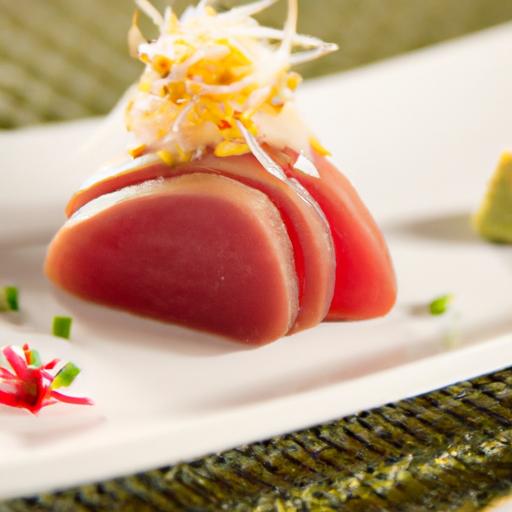
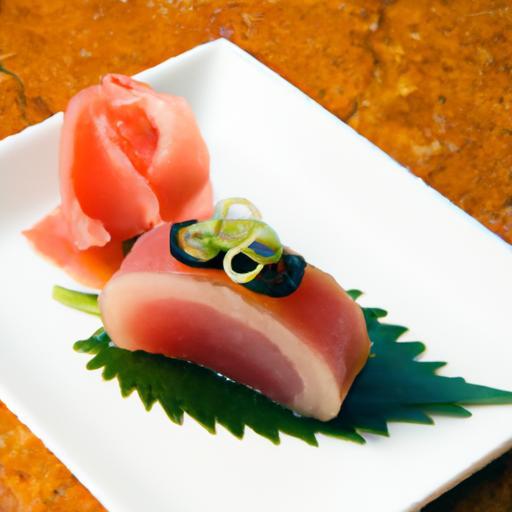
Present your tuna nigiri on a sleek, minimalist rectangular plate to highlight the vibrant ruby-red tuna against the snowy white rice. garnish with thinly sliced shiso leaves or a small sprinkle of toasted black sesame seeds for added texture and color. Pair the dish with pickled ginger on the side to refresh the palate between bites.
Pairing Tuna Nigiri with Complementary Sakes and Sauces
For an authentic experience,serve your tuna nigiri with a dry,crisp Junmai Ginjo sake,which balances the delicate flavors without overpowering the fish. Additionally, light soy sauce or ponzu with a hint of yuzu enhances subtle umami notes. Avoid heavy or spicy sauces to retain the pure essence of the tuna nigiri.
| Nutrient | Per Serving (2 pieces) |
|---|---|
| Calories | 90 |
| Protein | 10g |
| Carbohydrates | 12g |
| Fat | 1g |

Explore more sushi techniques in our detailed guide on Perfect Sushi Rice Techniques. For additional reading on tuna sustainability and sourcing, visit Marine Stewardship council.
Q&A
Q&A: Tuna Nigiri - A Timeless Taste of Japanese Simplicity
Q1: What makes Tuna Nigiri a quintessential symbol of Japanese cuisine?
A1: Tuna Nigiri embodies the essence of japanese culinary ideology-simplicity, freshness, and balance. It pairs a delicately sliced piece of tuna with perfectly seasoned vinegared rice, highlighting the natural flavors without overwhelming embellishments. This minimalist approach is a hallmark of JapanS food culture.Q2: Why is tuna the fish of choice for nigiri?
A2: Tuna,especially varieties like bluefin or yellowfin,offers a tender texture and rich,buttery flavor that complements the subtly vinegared rice. its vibrant color and clean taste make it ideal for showcasing freshness,a critical quality in sushi preparation.
Q3: How is Tuna Nigiri traditionally prepared?
A3: Traditionally, a skilled sushi chef slices fresh tuna into thin, bite-sized pieces. They then mound a small portion of sushi rice, hand-pressed into an oblong shape, carefully draping the tuna atop the rice. A touch of wasabi might potentially be placed between the fish and rice to enhance flavor.
Q4: What role does simplicity play in the enjoyment of Tuna Nigiri?
A4: Simplicity allows each ingredient to shine on its own while harmonizing as a whole. The unadorned pairing invites diners to savor the pure taste of fresh tuna paired with subtly seasoned rice, an experience steeped in quiet elegance rather than complexity.
Q5: How has Tuna Nigiri influenced global perceptions of sushi?
A5: Tuna Nigiri has become one of the most recognizable and beloved forms of sushi worldwide. Its global appeal lies in its accessibility-both in flavor and presentation-making Japanese culinary arts approachable and appreciated across cultures.Q6: Are there any variations of Tuna Nigiri that reflect regional differences in Japan?
A6: Yes,from the fattier Otoro cut favored in Tokyo to leaner Akami preferred in Kansai,regional nuances influence the choice of tuna and preparation techniques. Some areas also incorporate subtle garnishes like yuzu zest or sea salt to add regional flair without compromising simplicity.
Q7: What shoudl a first-timer know when trying Tuna Nigiri?
A7: Approach tuna Nigiri with an open palate and a mindful recognition for texture and freshness. It’s best enjoyed with a light dip of soy sauce and a touch of wasabi,if desired-but never drowned. Eating it as a single, gentle bite allows the flavors to unfold naturally.
Q8: Why does Tuna Nigiri remain timeless despite evolving food trends?
A8: Its timelessness stems from its purity and respect for ingredients. While culinary trends may come and go, the quiet perfection of fresh tuna atop vinegared rice continues to captivate, reminding us that true culinary artistry ofen lies in simplicity.
In Summary
In the delicate balance of vinegared rice and tender tuna, Tuna Nigiri captures more than just flavor-it embodies a centuries-old tradition of simplicity and precision. as each bite reveals the subtle harmony between freshness and craftsmanship, we are reminded that sometiems, the most enduring tastes are those that honor restraint and respect for ingredients. Whether savored at a bustling sushi bar or crafted in the quiet of home, Tuna Nigiri remains a timeless expression of Japanese culinary artistry, inviting us to appreciate the beauty found in simplicity.