
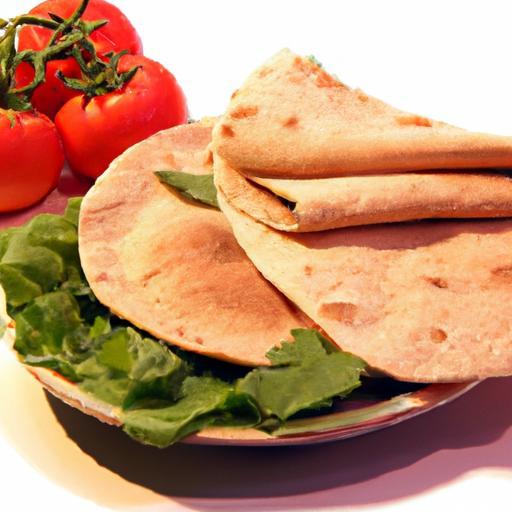
In a world where culinary trends often come and go with swift intensity, some staples quietly reclaim their place at the heart of our plates.Whole wheat pita bread, once overshadowed by its refined counterpart, is experiencing a thoughtful resurgence-inviting both health enthusiasts and food lovers to rediscover its understated charm. balancing nutrition with versatility, this humble flatbread is more than just a vessel for fillings; it embodies a growing desire to connect with wholesomeness in the foods we choose. “Wholesome Wonders: The rise of Whole Wheat Pita Bread” explores how this ancient grain-based bread is making a modern comeback, nourishing body and soul alike.
Whole wheat pita bread has long been cherished in mediterranean cuisine for its versatility, heartiness, and subtle nutty flavor. Infused with wholesome fiber and essential nutrients, this bread elevates any meal, providing not only a satisfying texture but also a nutritional edge that resonates with health-conscious food enthusiasts.Whether you’re crafting fresh, warm pitas at home or exploring innovative ways to enjoy them, mastering this staple is a rewarding culinary journey.
Prep and Cook Time
- Planning: 20 minutes
- Proofing: 1 hour 30 minutes (including resting time)
- Cooking: 10-12 minutes
- Total Time: Approximately 2 hours
Yield
8 medium-sized whole wheat pita pockets
Difficulty Level
Medium – Requires basic dough handling and oven timing skills
Ingredients
- 2 cups whole wheat flour, sifted
- 1 cup all-purpose flour, sifted
- 1 ½ teaspoons active dry yeast
- 1 ¼ cups warm water (about 105°F/40°C)
- 1 tablespoon olive oil, plus extra for greasing
- 1 teaspoon salt
- 1 teaspoon honey or maple syrup
Instructions
- Activate the yeast: In a small bowl, combine the warm water, honey, and active dry yeast. Stir gently and let it sit for 5-7 minutes until frothy. This ensures your yeast is alive and kicking.
- mix dry ingredients: In a large mixing bowl, whisk together whole wheat flour, all-purpose flour, and salt.
- Combine wet and dry: Create a well in the flour mixture, then pour in the yeast mixture and olive oil. Stir with a wooden spoon or spatula until the dough begins to come together.
- knead the dough: Transfer to a lightly floured surface. Knead vigorously for 8-10 minutes, or until the dough is smooth, elastic, and slightly tacky but not sticky. Add small amounts of flour if sticking becomes excessive.
- First rise: Lightly grease a large bowl with olive oil.Place the dough ball inside, cover with a damp cloth or plastic wrap, and let it rise in a warm draft-free place for about 1 hour or until doubled in size.
- Divide and rest: Gently punch down the dough, then divide it into 8 equal pieces. Shape each into a smooth ball. Cover and let rest for 15 minutes-this relaxes the gluten for easier rolling.
- roll out pitas: On a floured surface, roll each ball into a 6-inch diameter circle, about ¼ inch thick. Aim for uniform thickness to ensure consistent puffing.
- Preheat baking surface: Heat a heavy skillet, cast iron pan, or baking stone over medium-high heat until hot (about 5 minutes). The surface should be dry and smoking slightly for best puff.
- Cook pitas: Place one rolled circle onto the hot surface. Cook for 1-2 minutes, until bubble pockets appear and the bottom turns light golden brown. Flip and cook the other side for another 1-2 minutes. The pita should puff up, forming a pocket inside.
- Cool and store: Transfer cooked pitas to a clean towel-lined basket to retain warmth and moisture. Cover to keep soft. Serve warm or store cooled pitas in an airtight container for up to 2 days.
Tips for Success
- Flour balance: Combining whole wheat with all-purpose flour ensures tenderness without sacrificing the nutritional benefits or rustic flavor.
- Water temperature: Yeast activates best around 105°F; too hot water kills it, too cold slows fermentation.
- Roll evenly: Uniform thickness is key for perfect puffing and pocket formation.
- Resting dough balls: Resting before rolling lets the gluten relax,preventing shrinking during cooking.
- Batch cooking: Keep cooked pitas warm by layering them between clean towels.
- Make-ahead: Dough can be refrigerated overnight after first rise for more complex flavor, just let it reach room temperature before shaping.
Serving Suggestions
Transform warm whole wheat pita pockets into culinary canvases:
- Fill with grilled chicken, fresh tzatziki, cucumbers, and cherry tomatoes for a classic Mediterranean wrap.
- Slice into triangles and serve alongside a vibrant roasted vegetable hummus for a wholesome appetizer.
- For breakfast, stuff with scrambled eggs, spinach, and feta cheese, drizzled lightly with hot sauce.
- Use as a base for mini pizzas, topped with pesto, goat cheese, and sun-dried tomatoes.
- Serve alongside hearty stews or lentil soups to soak up rich, spiced broths.
Nutritional Information per Serving (1 pita)
| Calories | Protein | Carbohydrates | Fat |
|---|---|---|---|
| 160 | 6g | 30g | 2g |

Looking to deepen your knowledge of Mediterranean whole grain breads? Check out our thorough guide to Mediterranean breads for tasty inspiration. for more insight on whole grains’ health benefits, the Harvard T.H. Chan School of Public Health offers excellent research and recommendations.
Q&A
wholesome Wonders: The Rise of Whole Wheat Pita Bread – Q&A
Q1: What exactly is whole wheat pita bread?
Whole wheat pita bread is a traditional flatbread made primarily from whole wheat flour.Unlike its white flour counterpart, it retains the bran, germ, and endosperm of the wheat grain, offering a denser texture and richer nutritional profile. It typically features a pocket that can be filled with a variety of savory or sweet ingredients.
Q2: Why has whole wheat pita bread become more popular recently?
The surge in popularity stems from a growing consumer interest in healthier, fiber-rich foods. Whole wheat pita bread provides a wholesome alternative to refined breads, aligning with trends toward clean eating, plant-based diets, and global flavors. Its versatility and nutritional benefits make it appealing to both health-conscious eaters and food enthusiasts.
Q3: How does whole wheat pita bread compare nutritionally to white pita bread?
Whole wheat pita bread contains more dietary fiber, vitamins (such as B vitamins), minerals (like magnesium and iron), and antioxidants due to the inclusion of the whole grain. This translates into improved digestion, sustained energy release, and potential long-term health benefits, whereas white pita is primarily made from refined flour, which lacks these nutrients.
Q4: Can whole wheat pita bread be used in traditional and modern recipes alike?
Absolutely. Whole wheat pita bread maintains the pliability and pocket characteristic of traditional pita,making it perfect for classic dishes like falafel wraps,gyro sandwiches,or hummus dipping. Simultaneously, it adapts well to contemporary culinary creativity-think grain bowls, savory toasts, or even innovative stuffed pita pizzas.
Q5: What challenges do bakers face when making whole wheat pita bread?
As whole wheat flour absorbs more water and contains more gluten-degrading enzymes, the dough can be denser and less elastic than white flour dough. Achieving the signature “pocket” requires careful hydration, kneading, and baking techniques. Skilled bakers adjust fermentation times and temperatures to balance texture and flavor.Q6: Is whole wheat pita bread suitable for all dietary needs?
Whole wheat pita bread is naturally vegetarian and can be vegan if made without dairy or honey. It’s a great option for those seeking whole grains but not suitable for gluten-intolerant individuals or those with celiac disease. Nonetheless, its rise reflects an inclusive trend toward nourishing, accessible food choices.
Q7: How can consumers incorporate whole wheat pita bread into their daily meals?
Beyond sandwiches, whole wheat pita bread can be toasted for breakfast with nut butters and fruits, sliced into chips for snacks, or used as a base for creative flatbreads loaded with fresh vegetables and herbs. Its mild,nutty flavor complements a broad spectrum of cuisines from Middle Eastern to Mediterranean and beyond.
Q8: What does the future hold for whole wheat pita bread?
As consumers continue to prioritize health and authenticity, whole wheat pita bread is highly likely to become a staple in both home kitchens and restaurants. Innovations in grain blends, fermentation methods, and lasting baking practices may further elevate its status, turning a humble flatbread into a global wholesome wonder.
Future Outlook
As the warm,nutty aroma of whole wheat pita continues to weave its way into kitchens and cafes alike,it’s clear that this humble bread is more than just a trend-it’s a wholesome wonder rekindling our connection to nourishing,authentic flavors.Whether embraced for its healthful benefits or its versatile charm,whole wheat pita stands as a testament to how simple ingredients,thoughtfully combined,can rise to new heights in our culinary landscape. In the story of bread’s evolution, the rise of whole wheat pita invites us all to savor a slice of tradition refreshed for today’s mindful palate.