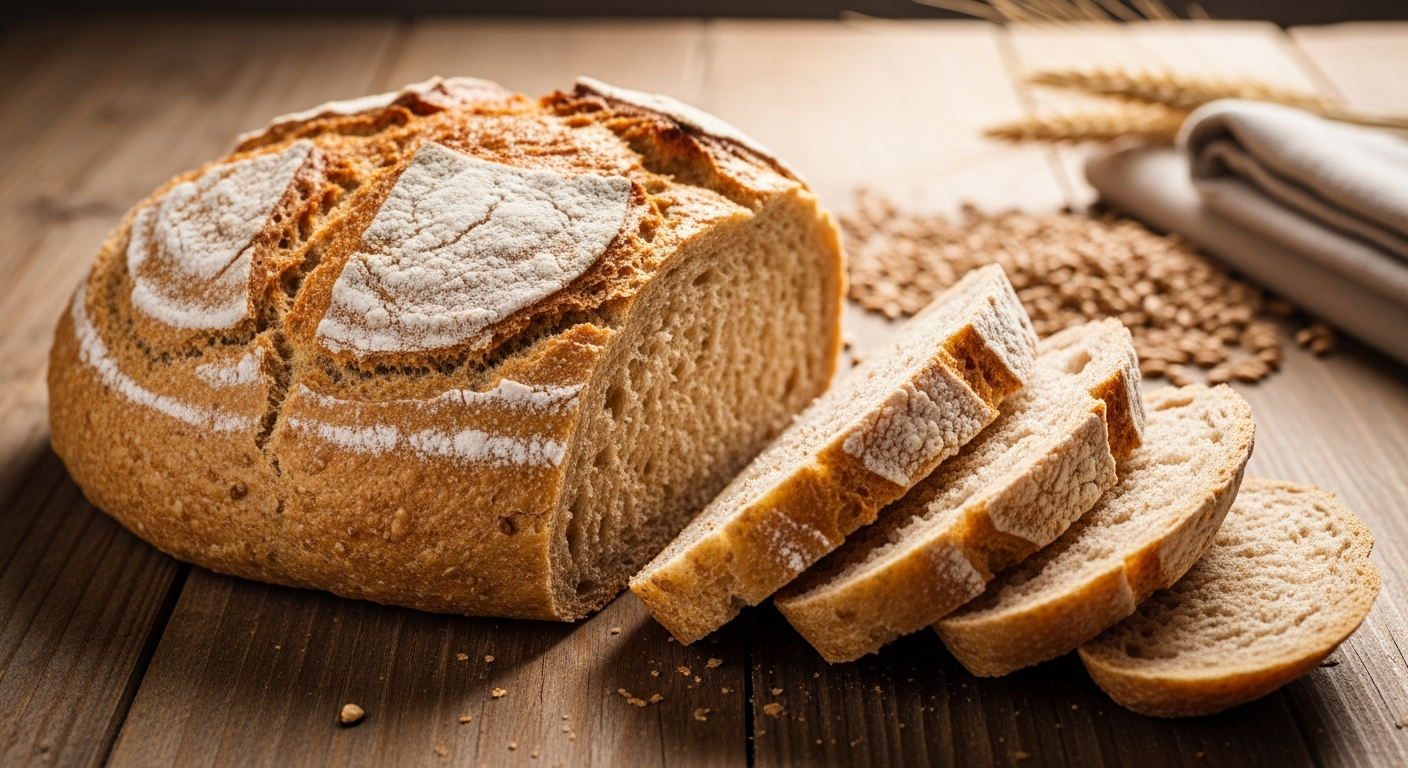

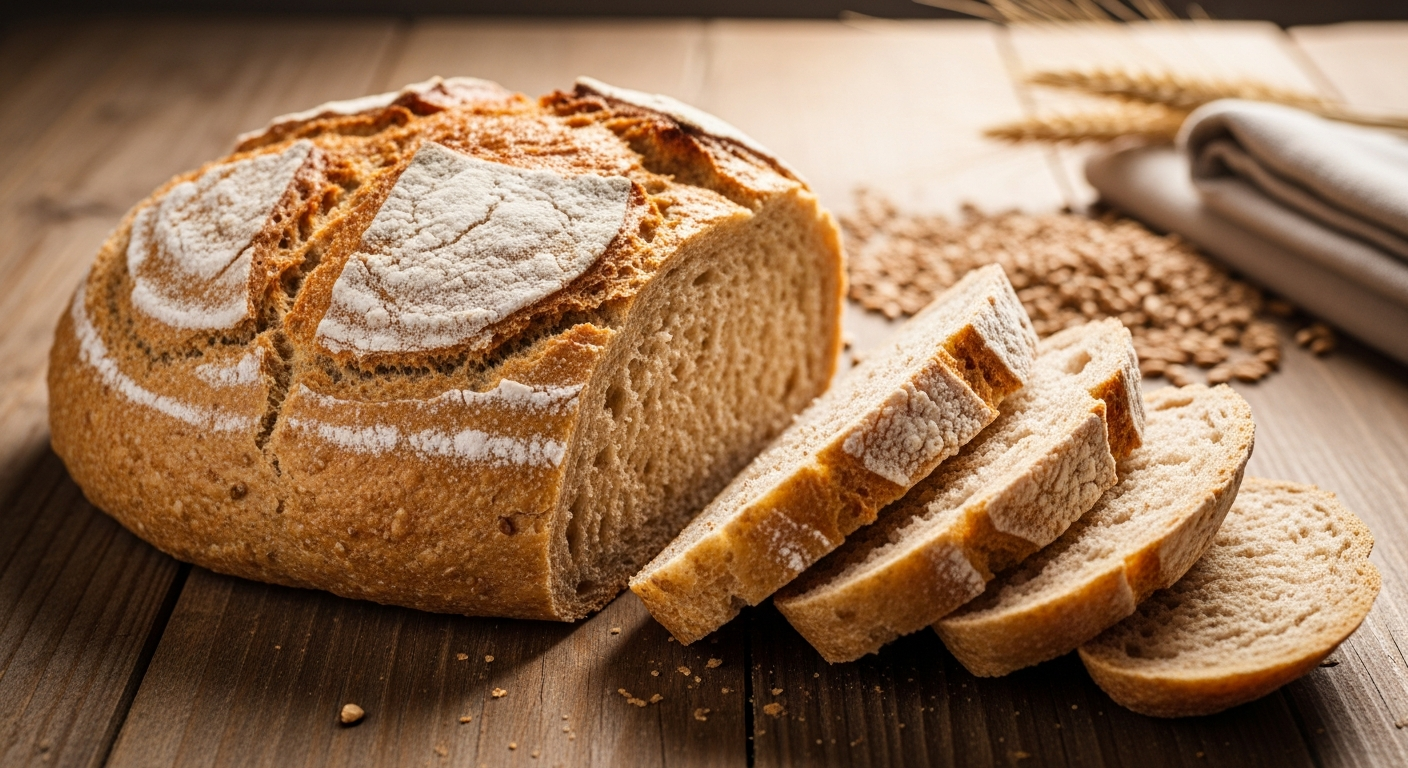
In an age where health trends ebb and flow like the tides, whole wheat bread has quietly reclaimed its place at the heart of our tables. Often overshadowed by flashier superfoods and gluten-free fads, this humble staple carries a legacy rooted in tradition and nutrition. “The Wholesome Rise: Exploring Whole Wheat Bread Benefits” invites you to peel back the crust and discover how this time-honored loaf offers more than just simple sustenance – revealing a balanced blend of fiber, vitamins, and wholesome goodness that supports both body and mind. Join us as we explore the layers of whole wheat bread’s appeal,from its nutritional virtues to its enduring culinary charm.
Whole wheat bread stands as a true nutritional powerhouse within the pantry,offering more than just a hearty base for sandwiches. Rooted in customary baking methods yet embraced in contemporary kitchens worldwide, this bread is celebrated for its robust flavor and impressive health benefits. Elevate your meals by incorporating whole wheat bread, a grain-rich staple that nurtures digestive wellness and fuels the body with essential nutrients.
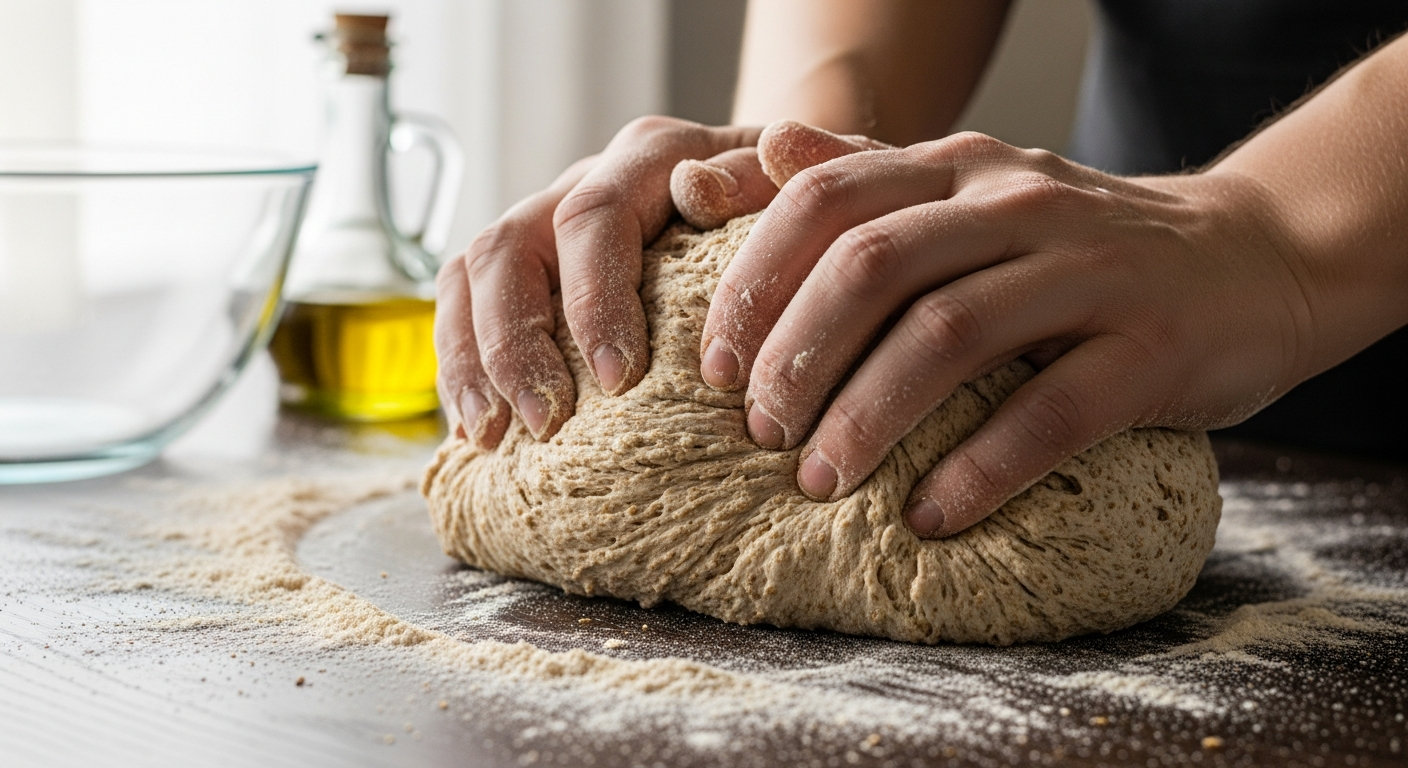
Prep and Cook Time
- Preparation: 15 minutes
- Resting and rising: 1 hour 45 minutes
- Baking: 30 minutes
- Total Time: 2 hours 30 minutes
Yield
- 1 large loaf (approximately 12 slices)
Difficulty Level
- Medium
Ingredients
- 3 cups whole wheat flour
- 1 cup warm water (110°F/43°C)
- 2 tablespoons honey or pure maple syrup
- 1 packet (2 1/4 teaspoons) active dry yeast
- 1 teaspoon fine sea salt
- 2 tablespoons olive oil or melted coconut oil
- Optional: 2 tablespoons ground flaxseed for added fiber and crunch
Instructions
- Activate the yeast: In a small bowl, combine warm water and honey. Stir in the yeast and let it sit for 5-7 minutes until foamy, signaling the yeast is active.
- Mix dry ingredients: In a large bowl, whisk together the whole wheat flour, sea salt, and ground flaxseed if using. This ensures an even distribution of salt which is crucial for flavor balance.
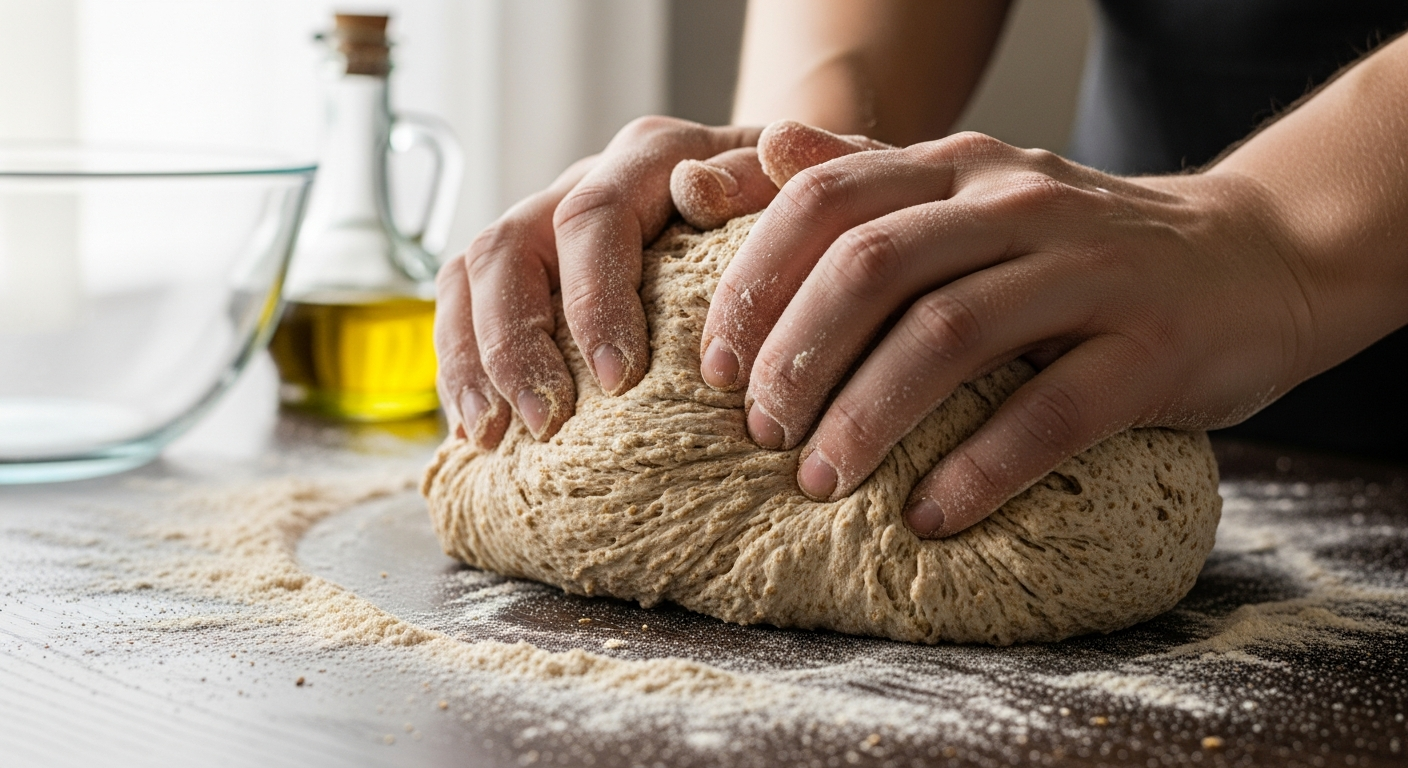
- Combine and knead: pour the yeast mixture and olive oil into the dry ingredients. Stir with a wooden spoon until it begins to come together. Turn the dough onto a lightly floured surface and knead for about 10 minutes,until it becomes smooth and elastic. If too sticky, sprinkle with small amounts of flour-but avoid adding too much to maintain softness.
- Let it rise: Place the dough in a lightly oiled bowl, cover it with a damp cloth or plastic wrap, and let it rise in a warm, draft-free area for around 1 hour or until doubled in size. This slow rise enhances the flavor complexity and crumb structure.
- Shape the loaf: Gently punch down the dough to release excess air. Transfer it onto a floured work surface and shape it into a tight loaf. Place it in a greased 9×5-inch loaf pan, cover again, and allow it to rise for 30-45 minutes, until puffed.
- Bake: Preheat your oven to 375°F (190°C). Bake the loaf for 25-30 minutes until the crust is deep golden brown and the bread sounds hollow when tapped on the bottom. For an extra-crispy crust, mist the oven with water just before baking.
- cool: Remove the bread from the pan and transfer it to a wire rack to cool fully before slicing. This resting time prevents the crumb from becoming gummy.
Tips for success
- Substitutions: Swap honey for maple syrup for a vegan-amiable sweetener or omit entirely for a denser, less sweet loaf.
- Hydration: Whole wheat flour absorbs more water than white flour.Adjust with an extra tablespoon of water if the dough feels too dry during kneading.
- Make-ahead: After shaping the loaf, freeze it before the final rise. When ready, thaw overnight in the fridge and proceed with baking for fresh bread anytime.
- Flavor variations: Add herbs like rosemary or a tablespoon of chia seeds for a subtle texture and nutrient boost.
- Troubleshooting: If the bread is too dense, make sure your yeast is fresh and that the dough has had enough time to rise fully.
Serving Suggestions
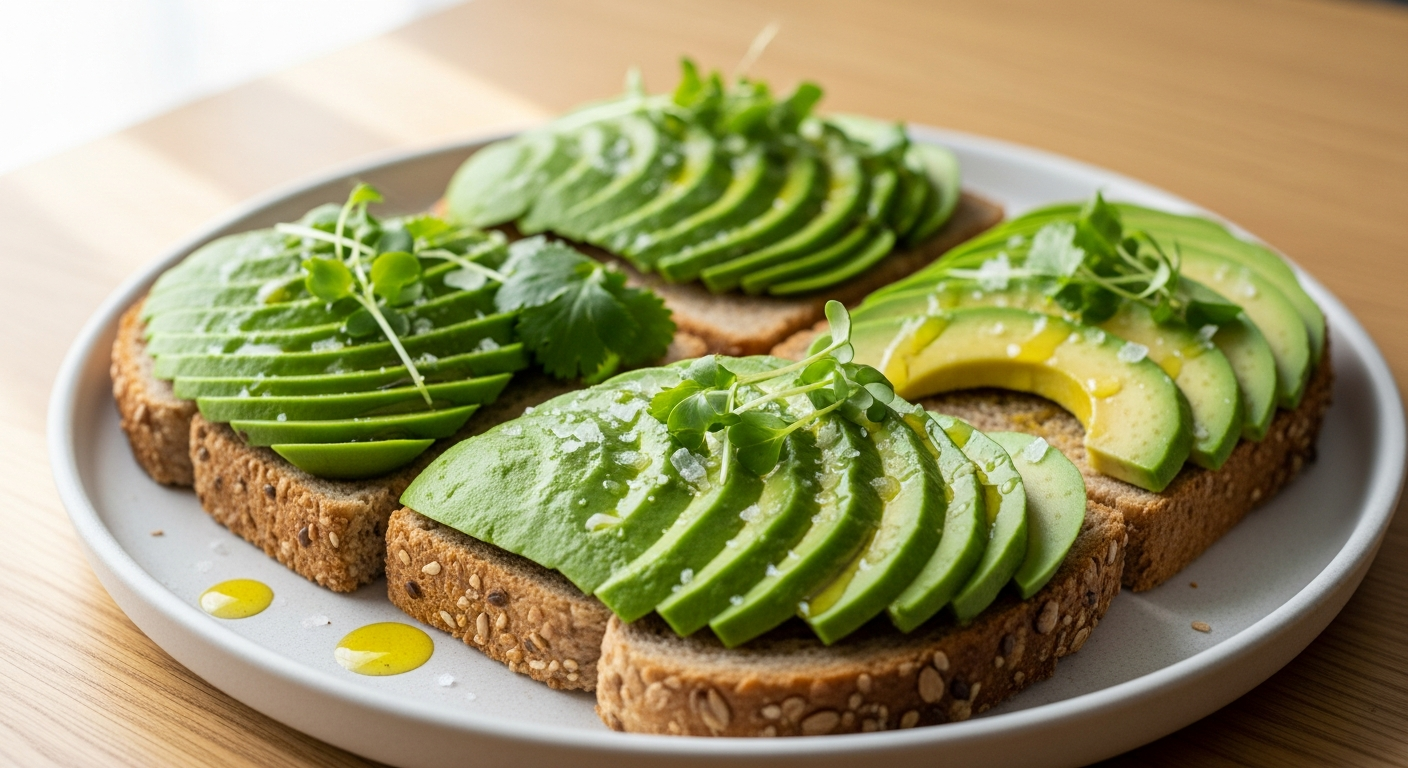
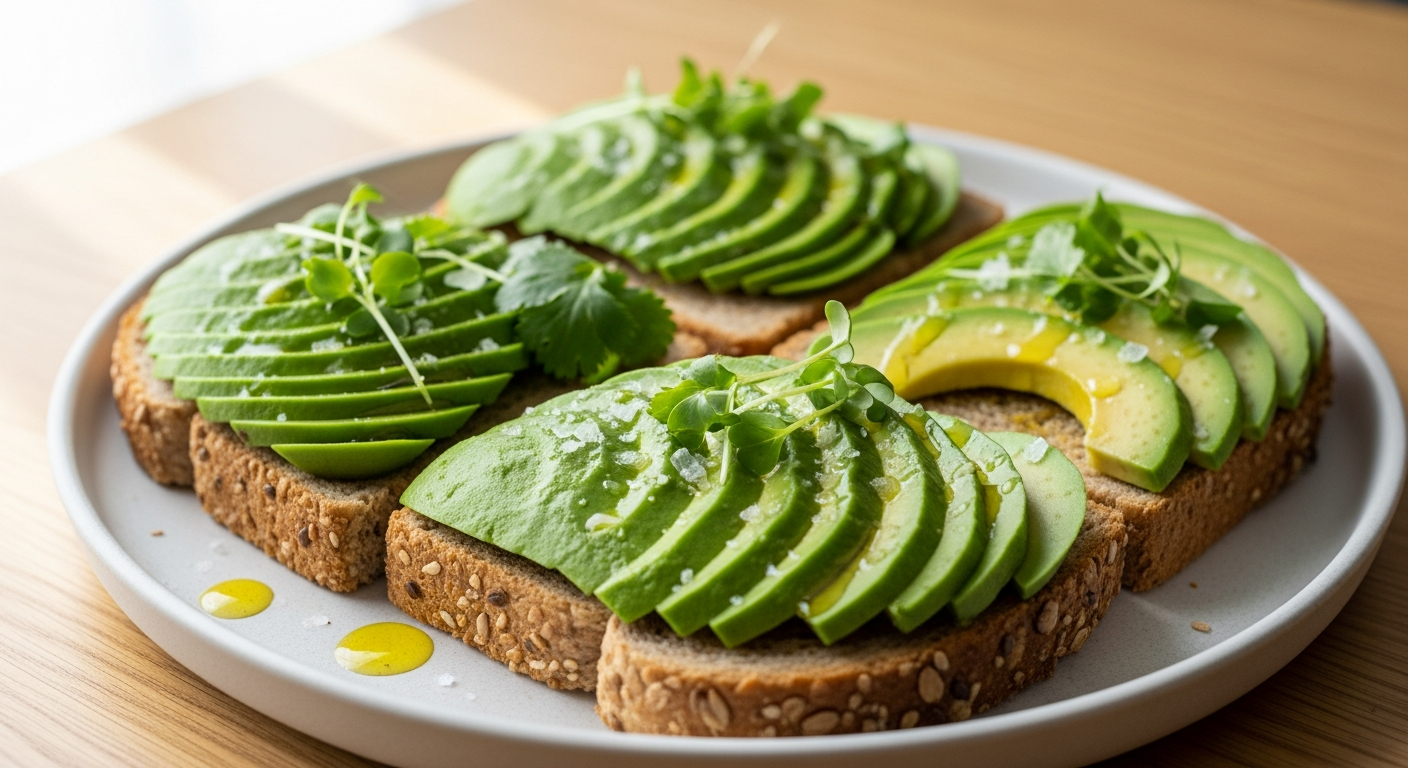
Enjoy this nutritionally dense bread sliced thick and topped with creamy avocado, a drizzle of extra virgin olive oil, and a sprinkle of flaky sea salt. For breakfast, pair toasted whole wheat slices with almond butter and banana. Its hearty texture also complements robust soups and fresh garden salads perfectly. Garnish plates with fresh herbs or a few colorful heirloom tomato slices for a vibrant presentation.
| Nutrient | Per Slice (approx.) |
|---|---|
| Calories | 110 |
| Protein | 5g |
| Carbohydrates | 20g |
| Fat | 2g |
| Fiber | 4g |

For further insights on wholesome grains and digestion, visit the Harvard T.H.Chan School of Public Health.
Explore more wholesome recipes featuring whole grains by visiting our Whole Grain Recipes Collection to broaden your culinary repertoire.
Q&A
Q&A: The Wholesome Rise – Exploring whole Wheat Bread Benefits
Q1: What makes whole wheat bread different from white bread?
A: Whole wheat bread is made from flour that includes the entire wheat kernel-the bran, germ, and endosperm-while white bread is typically made from refined flour stripped of the bran and germ. This means whole wheat bread retains more nutrients, fiber, and natural goodness, offering a richer, earthier flavor and a denser texture.
Q2: Why is whole wheat bread considered healthier?
A: The key lies in its intact nutritional profile. Whole wheat bread provides higher amounts of dietary fiber, vitamins (like B vitamins), minerals (such as magnesium and iron), and antioxidants. These components help support digestion, maintain steady energy levels, promote heart health, and manage blood sugar better than refined breads.
Q3: Can eating whole wheat bread aid in weight management?
A: Yes,it can be a helpful ally. The fiber content in whole wheat bread promotes a feeling of fullness, which may reduce overall calorie intake. Its complex carbohydrates release energy slowly, helping to avoid hunger spikes and crashes. however, portion control and overall diet quality remain essential.
Q4: Is whole wheat bread suitable for people with gluten sensitivities?
A: No-whole wheat bread contains gluten, a protein found in wheat. Individuals with celiac disease or gluten intolerance should avoid it and opt for gluten-free alternatives. However, for those without these conditions, whole wheat bread can be a nutritious choice.
Q5: How can one incorporate whole wheat bread into their daily meals?
A: Whole wheat bread is versatile-perfect for sandwiches, toast, or as a side to soups and salads. To maximize benefits, pair it with protein-rich foods, healthy fats, and plenty of vegetables for balanced nutrition.
Q6: Are there any drawbacks to consuming whole wheat bread?
A: While generally beneficial, some people might find whole wheat bread heavier on the stomach or less palatable than white bread due to its denser texture and nuttier taste.Additionally, some commercially available whole wheat breads may contain added sugars or preservatives, so reading labels is advisable.
Q7: How does whole wheat bread contribute to long-term health?
A: Regular consumption of whole wheat bread, as part of a balanced diet, supports cardiovascular health by reducing cholesterol levels, helps regulate blood sugar, and may lower the risk of certain chronic diseases like type 2 diabetes and digestive disorders, thanks to its fiber and nutrient content.
Q8: Can children and elderly people benefit from whole wheat bread?
A: Absolutely. Children benefit from the steady energy release and nutrient density essential for growing bodies, while older adults gain digestive support and sustained energy.However, individual preferences and digestive tolerance should guide choices.
Q9: How can I ensure the whole wheat bread I buy is truly wholesome?
A: Look for labels stating “100% whole wheat” or “100% whole grain.” Avoid breads with excessive added sugars,artificial additives,or refined flours. Homemade whole wheat bread can also be a great option for control over ingredients.
Q10: What’s the best way to store whole wheat bread?
A: Keep it in a cool, dry place inside a sealed bag to maintain freshness. Because whole wheat bread can spoil faster due to its natural oils, refrigerating or freezing portions for later use can help extend shelf life without sacrificing taste.
Embracing whole wheat bread is much like welcoming a time-honored staple with modern nutritional wisdom-wholesome, hearty, and heart-smart. Whether toasted for breakfast or layered for lunch, it rises above as a quietly powerful choice in the bread aisle.
Final Thoughts
As we’ve unraveled the layers of whole wheat bread’s story-from its humble grains to its nourishing benefits-it becomes clear that this staple is more than just a simple slice on our plate. Embracing whole wheat bread is a small yet meaningful step toward a balanced lifestyle, one that honors the natural goodness packed within each crumb. so the next time you reach for a loaf, remember the wholesome rise behind it-a reminder that sometimes, the best things in life come from the earth, crafted with care and ready to fuel your day.