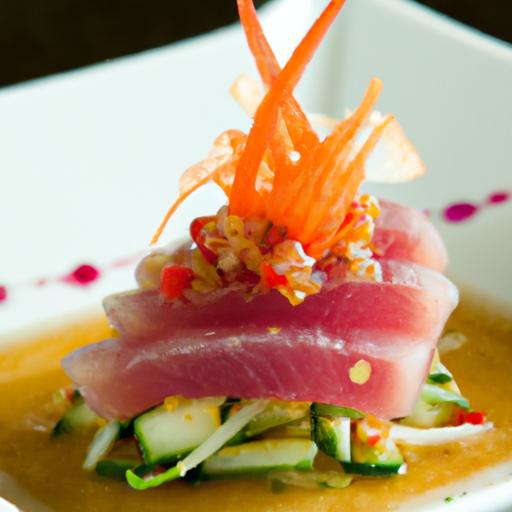

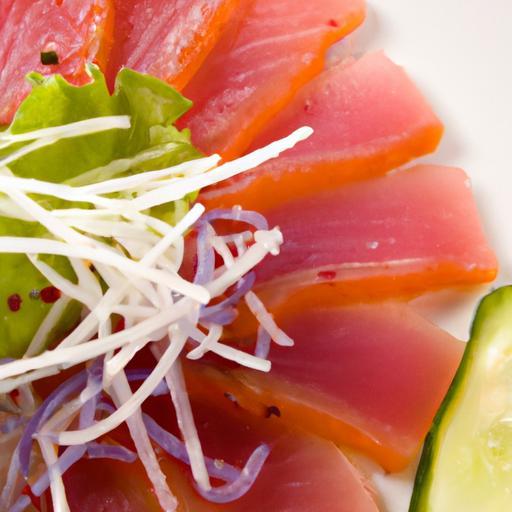
Gliding effortlessly between tradition and taste,yellowtail sashimi offers a refined glimpse into the artistry of Japanese cuisine. With its pale pink flesh and buttery texture, this delicate slice of ocean delight captures both the freshness of the sea and the subtle nuances of careful planning. more than just a dish, yellowtail sashimi invites diners to experience a moment where simplicity meets sophistication, revealing the depth of flavor that lies beneath its unadorned surface. In this exploration, we delve into the origins, qualities, and cultural significance of yellowtail sashimi, uncovering why it has earned a cherished place on tables around the world.
Yellowtail Sashimi: A Delicate Slice of Ocean Delight
Yellowtail sashimi captivates with its buttery texture and subtle, sweet oceanic flavor, making it a revered dish in japanese cuisine and beyond. Known as hamachi in Japan, this delicacy showcases not only culinary artistry but also the deep respect for freshness and technique required to bring out its natural elegance. From selecting the freshest cut to mastering the slicing technique, this recipe invites you to experience the sublime pleasure of savoring raw yellowtail in its purest form.
Prep and Cook Time
- preparation: 20 minutes
- Assembly and plating: 10 minutes
- Total time: 30 minutes
Yield
Serves 4-perfect for an intimate gathering or a refined starter.
Difficulty Level
Medium-ideal for those with a basic knowledge of knife skills and sashimi presentation.
Ingredients
- 300g fresh yellowtail fillet (skin removed, sushi-grade)
- 2 tbsp soy sauce (low sodium)
- 1 tbsp freshly grated wasabi or prepared wasabi paste
- 1 tsp toasted sesame seeds
- 1 small daikon radish (thinly julienned for garnish)
- 4 shiso leaves (optional, for aromatic accent)
- 1 lemon wedge (for a gentle citrus finish)
- Pickled ginger (to cleanse the palate)
Instructions
- Ensure freshness: Start by confirming your yellowtail sashimi is sushi-grade and kept chilled. Pat dry with a paper towel to remove any excess moisture, which will help maintain clean slices.
- Prepare workstation: Use a clean, sharp yanagiba or sashimi knife for precise cuts. Place the yellowtail on a chilled cutting board to preserve texture.
- Slice with care: Hold the knife at a slight angle (about 45 degrees). Make smooth, single-stroke cuts across the grain to create ¼-inch thick slices.Avoid a sawing motion as it damages the delicate flesh.
- arrange artistically: Fan the slices on a chilled plate.garnish with julienned daikon, shiso leaves, and a drizzle of soy sauce. Garnish with toasted sesame seeds for subtle nuttiness.
- Pair and serve: Accompany the sashimi with a small dollop of wasabi and a wedge of lemon. Encourage tasting with pickled ginger for palate cleansing between bites.
- Optional enhancement: Lightly squeeze lemon over yellowtail just before eating to elevate its freshness without overpowering its natural flavors.
Tips for Success
- Choosing the freshest yellowtail: Look for flesh that is firm, moist, and translucent with a clean ocean scent-never fishy. Purchase from a trusted fishmonger specializing in sashimi-grade fish.
- Knife maintenance: Keep your knife razor-sharp and clean it between slices to prevent tearing.
- Substitutions: If shiso isn’t available, microgreens add a fresh, slightly peppery note.
- Make-ahead: Slice fish just before serving to preserve the ideal texture and temperature.
- Balancing flavors: Less is more-let the pure flavor of yellowtail shine with minimal soy and wasabi accompaniments.
Serving Suggestions
Present your yellowtail sashimi on a chilled ceramic platter with a bed of crushed ice or decorative leaves to keep it cool and visually striking. Use thin slices of lemon and vibrant pickled ginger to add pops of color. For an elevated experience, pair with a crisp, dry sake or a light, floral white wine.A small bowl of miso soup or a simple seaweed salad complements the meal beautifully, rounding out the subtle, oceanic nuances.

Nutritional Data
| Nutrient | Per Serving |
|---|---|
| Calories | 120 kcal |
| Protein | 23 g |
| Carbohydrates | 1 g |
| Fat | 3 g (mostly healthy omega-3 fatty acids) |
Discover more about the fundamentals of sushi preparation and enhance your culinary journey. For an in-depth dive into the health benefits of omega-3 rich fish like yellowtail, the American Heart Association offers excellent resources.
Q&A
Q&A: Yellowtail Sashimi – A delicate Slice of Ocean Delight
Q1: What exactly is yellowtail sashimi?
A1: Yellowtail sashimi is thinly sliced raw fish, specifically from the yellowtail species, frequently enough known as Hamachi in Japanese cuisine. Celebrated for its buttery texture and subtle flavor, it serves as a refined expression of the ocean’s bounty on the plate.
Q2: Why is yellowtail favored for sashimi compared to other fish?
A2: Yellowtail boasts a perfect balance of richness and clean taste, accompanied by a tender, slightly firm texture. its mild yet distinctive flavor makes it approachable for sashimi newcomers and a staple for seasoned connoisseurs alike.
Q3: How should yellowtail sashimi be served to best appreciate its qualities?
A3: Traditionally, yellowtail sashimi is served chilled and arranged artistically on a plate or wooden board. It’s best accompanied by simple garnishes like freshly grated wasabi, thinly sliced scallions, or a touch of soy sauce to highlight its nuanced flavors without overpowering them.
Q4: Are there seasonal considerations when selecting yellowtail for sashimi?
A4: Yes,yellowtail exhibits peak flavor and texture during the colder months,roughly from late fall through early spring. This is when the fish’s fat content is at its highest, lending an even creamier mouthfeel and deeper taste.
Q5: How does yellowtail sashimi differ from other types of sashimi, like tuna or salmon?
A5: Compared to tuna, which often boasts a heartier, meatier profile, yellowtail offers a more delicate and slightly sweet flavor. Unlike salmon, which is oilier and richer, yellowtail strikes a harmonious middle ground-refreshingly light yet satisfyingly rich.
Q6: Is yellowtail sashimi safe to eat raw?
A6: When sourced from reputable suppliers who adhere to strict freshness and handling standards, yellowtail sashimi is safe to consume raw.Proper chilling and prompt preparation are essential to minimize any risk and ensure a pristine dining experience.
Q7: Can yellowtail sashimi be paired with specific beverages?
A7: Absolutely. Its subtle flavor pairs beautifully with crisp sake, light white wines like a dry Riesling, or even green tea. These selections complement the fish’s natural sweetness without overshadowing its delicate profile.
Q8: What cultural significance does yellowtail sashimi hold?
A8: In Japanese culinary tradition, yellowtail symbolizes prosperity and good fortune. Its appearance on celebratory menus reflects respect for nature’s gifts and a desire to savor life’s simple, elegant pleasures.
Q9: How should one cut yellowtail sashimi to preserve texture and taste?
A9: The fish is typically sliced at a slight angle into uniform, thin pieces using a very sharp knife. This technique showcases its silky texture and enhances the natural tenderness, ensuring each bite melts smoothly on the palate.
Q10: What makes yellowtail sashimi a timeless favorite among seafood enthusiasts?
A10: Its perfect marriage of subtle flavor, luscious texture, and cultural resonance ensures yellowtail sashimi remains a cherished delicacy. Each delicate slice invites diners to experience the ocean’s quiet elegance in a single, unforgettable bite.
Future Outlook
yellowtail sashimi is more than just a dish-it is a delicate slice of the ocean’s essence, artfully transformed onto your plate. Its subtle flavors and tender texture invite both contemplation and recognition, reminding us of the quiet beauty found beneath the waves. Whether enjoyed in a bustling sushi bar or crafted carefully at home, yellowtail sashimi remains a timeless tribute to the harmony between nature and culinary craft.